
Burdock Root
 Ah, burdock, that annoying plant that sticks those prickly balls on clothing after a romp in the woods and fields. This plant, that creates burr seeds, is a healing blessing, despite those barbed 'lil balls!
As a kid, I fell into a large clump of burdock plants while romping in the fields. Those burrs make an amazing mess in long hair! Surprisingly, as an adult, I do not avoid them.
Burdock can be utilized in a number of herbal remedies to aid in digestion. The root is bitter, stimulating the liver, and therefor aids in digestion, enhances absorption of nutrients, and supports your whole digestive tract and colon with the elimination of wastes.

Burdock root, along with dandelion and nettle, are amazing, healing herbs to use in liver conditions. The liver plays a huge role in removing toxins from your blood, producing bile to digest dietary fats, metabolizing hormones to maintain hormone balance in your body, stores excess carbohydrates, in addition to many, many other functions.
Nourish your liver and heal many "dis - ease" symptoms. Nourishing the liver is useful in: skin conditions, liver conditions (obviously), hormone imbalances, allergies, infertility, headaches, migraines, digestive problems, chronic gas, constipation....
Need help with herbs for healing? Give me a call. As an herbalist, I love to help with herbal healing! pyoumell@gmail.com
Why do I tell you this? I love burdock. It makes a yummy tea, it is fun in soups and stews, and I just added a pile of it (grated) to my next batch of fermented veggies. I am curious to see what burdock will add to the final fermented product's flavor!
The brown grated veggies on the top are burdock.

This is a pile of burdock roots, graciously given to me by Dan Kent of Kent Family Growers. He knows I love burdock! I have used over half of my burdock gift already. My liver is feeling ready for spring and pollen season!

On fermented veggies: I asked Steve, of The Cheese Maker, if cheese cultures could be used in enhancing the fermentation of veggies. This kind man did a 'lil research and got right back to me.
Our conversation via emails:
Me: Can any of the cultures you sell be used as a sauerkraut starter? Thanks, Paula
Steve: I'll also do a little research and let you know what I find out.
Me: Thanks!
Steve: Hi Paula: Some research I found on Wikipedia and other scientific sites show that some of the same species of bacteria that make cheese are similar to those that make sauerkraut, though the sub species are different. I'm not a biologist, so I do not know how this will affect the flavor of the kraut. Only way is to make a small batch and see how it turns out. As long as the pH is similar in the end product, it is at least safe to eat. The below link is a culture which has similar bacteria, though not sub species. If you make a test batch, let me know what you find out.
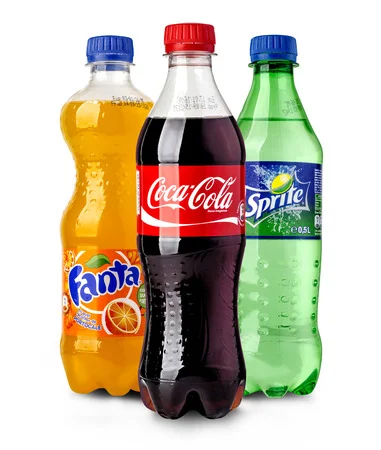
Soda: To Drink Or Not To Drink...
The average American drinks 44 to 56 gallons of soda yearly, depending on the survey results one looks at. (This is a whopping 101 to 128 cups of sugar a year, just from soda!)
Open a 12 ounce can of soda and be prepared to be ingesting 10 to 12 teaspoons of sugar. Yet, despite admitting knowing about the high sugar content and that this very sugar is not good for health, 48% of Americans still admit to drinking soda every day. (Reported in a Huffington Post article about a Yale University study on obesity.) Average consumption is 2.6 glasses of soda a day. Much liquid sugar is being ingested.
Where is this soda and sugar consumption taking Americans, their waist lines or their overall health?

The average American drinks 44 to 56 gallons of soda yearly, depending on the survey results one looks at. (This is a whopping 101 to 128 cups of sugar a year, just from soda!)
Open a 12 ounce can of soda and be prepared to be ingesting 10 to 12 teaspoons of sugar. Yet, despite admitting knowing about the high sugar content and that this very sugar is not good for health, 48% of Americans still admit to drinking soda every day. (Reported in a Huffington Post article about a Yale University study on obesity.) Average consumption is 2.6 glasses of soda a day. Much liquid sugar is being ingested.
Where is this soda and sugar consumption taking Americans, their waist lines or their overall health?
Let us look at some of the impact soda, and the sugar, has in the human body.
1. Soda is empty calories. This means your body is taking in calories that have no nutritional value. Your body needs calories, dense with nutrition, to support the replication of healthy cells. Empty calories = empty cells. This is cell degeneration... this is degenerative disease happening slowly but surely to your body. Empty calories means weight gain, as well.
2. One can of soda contains at least 10 teaspoons of sugar. This causes an immediate blood sugar spike which causes an insulin spike. The physiological reaction in your body is a sweet (no pun intended) set up for diabetes and all the other diseases that diabetes invites into your life.
3. Soda contains phosphoric acid. Phosphoric acid contributes to tooth decay and osteoporosis (cellular health thing again), both of which are also exacerbated by the empty calories and sugar content. It is a triple whammy to your cellular health.
Phosphoric acid interferes with digestive activity and inhibits nutrient absorption. Not what you want to happen if you want strong, healthy, nutrient dense body cells.
4. Soda is loaded with liquid corn syrup; high fructose corn syrup. Corn syrup comes from corn, genetically modified corn. Corn syrup is harsh to your liver. Love your liver; feed it whole foods.
5. Got diet soda? You then get aspartame or another synthetic sweetener (Aspartame's name has been changed to Aminosweet. Do not be fooled!) No calories, yes, but it is a fake substance with many inherent health issues.
Artificial sweeteners: contribute to headaches and migraines, fake your body into thinking sugar is coming and this leaves you actually craving and eating more sugar and calories than you normally would, the before mentioned sugar consumption increases your risk of diabetes, and is linked to many health problems (look it up!).
6. Erodes tooth enamel contributing to decay from the outside, on the actual tooth surface. The phosphoric acid and empty calorie issues contribute to decay from the inside, de-mineralizing your teeth from inside.
7. Soda, sugar consumption, is linked to higher rates of depression. I would be happy to go into cell physiology with you and sugar's effects on the nervous system (your brain & mood health) if you want to chat.
Depression is certainly an issue in our culture. Perhaps moving away from sugary drinks would lower the numbers of anti-depressant prescriptions written daily in this country? Just a preventative health thought....
8. The base of soda is tap water and is most likely not from pure sources. You are getting a dose of chlorine and fluoride and the health issues that go along with ingesting chlorine and fluoride.
9. Soda and obesity are linked; walking through life hand in hand. I think it is about that sugar and empty calorie thing again.
10. Back to your teeth... soda consumption causes plaque to build up on your teeth. Plaque contributes to cavities (Another whammy to the teeth from the outside; the surface of your teeth.) and can lead to gum disease. All that plaque creates space for harboring bacteria...
11. Soda contributes to de-mineralization of your body / body cells. (See #6 above.) Empty calories, refined sugar in your blood stream, and phosphoric acid all contribute to minerals being pulled from bones, teeth, organs, muscles... every body cell is affected by this mineral leeching. Mineral deficiencies (as this is what de-mineralization does) cause many health problems: osteoporosis, tooth decay, bone spurs... any and every degenerative disease process is contributed to by mineral deficiencies.
Action To Take:
1. Drink pure water that is free of chlorine and fluoride.
2. Make herbal teas using the above mentioned pure water.
3. Mix high quality fruit juice with above mentioned pure water to make a fruity flavored drink.
4. Mix that high quality fruit juice with seltzer water to create your own healthier version of a fizzy drink.

5. Drink beer! : ) If you opt for this one, do so in serious moderation. Also, find craft brewed beers from ingredients that are good for you and good fo the Earth. Avoid beer produced in the typical mass production methods.