
80/20 Deception

I compare this 80/20 eating plan to a license to kill. I know, I am harsh, but let's look at the reality of this bold eating statement:
Essentially what this 80/20 statement is saying is:
- eat good food - real food - whole food 80% of the time AND
- 20% of the time just let it all hang out and eat anything you want (food products, fast food, and junk food that are not even real food, yikes!).
This equation, in most people's hand, seems like it could be dangerous. Let me explain.
Questions:
- Do you want to heal and thrive or just survive 80% of the time?
- Do you want health professional who hold you accountable to good cellular health or health professionals who say, "Hey, go ahead, poison your body cells 20% of the time?" (I warned you I am harsh. Achieving health is not something to sugar coat. This reminds me of My Holistic Momma's Dilemma post.)
If you were diagnosed with lung cancer would you want to be told?:
"Hey, 80% of the time... give up those cigarettes but 20% of the time, well just go for it. Smoke whatever you want."
Liver disease...
"80% of the time avoid alcohol but 20% of the time enjoy all of the drinks you want."
Car Care: Would you put gasoline in your car's gas tank 80% of the time and corn syrup the other 20% of the time? (This is just for perspective on this 80/20% thought line.)
Hang on good people, stick with me on this one... here comes the positive, loving, there may be some interim usefulness to this 80/20 thing.
Now do not get me wrong, if a person was on "the reverse 80/20 eating plan" and consumed 80% processed, packaged, and junk food... swapping out the eating habits to an 80% whole food and 20% not so whole food eating plan would be a huge improvement. This person would notice major shifts in their energy, sleep, colon health, mental alertness, digestive ease, moods and happiness... their 80/20 eating plan's healthy side effects would on and on.
For example: I have clients who give up eating any & all sugar for just 3 days. This means reading each label carefully for every conceivable form of sugar that food manufacturers use to hide the real sugar content of food. Truthfully, most clients will just go on a 100% "no packaged food" for 3 days to rid sugar from their lives.
100% of the time I get emails or phone calls with this general message:
"I cannot believe how much better I feel just from this one change in my eating habits. (Now remember, in getting sugar out of the diet they have also removed all packaged foods. Bonus healing effects happen with this double shift in eating.) I have better energy, fall asleep with ease, wake up feeling more refreshed, have no sugar cravings; the mid afternoon slump and moodiness has eneded, I just feel so much better."
Natural foods start the cellular healing process immediately! This is a 100% win win.

80% Junk vs. 20% Real Food?
Shifting to 80% Whole Food & 20% not so whole foods might be the shift that pushes one over the edge to get even healthier. Feeling good begets wanting to feel great!
Quite frankly, I know I am not saying anything that most people do not already innately know: Your body needs real food to thrive. This is nature's plan. Being reminded of these cold, hard facts is a story that not everyone wants to hear. Learning, relearning what we innately know, means something has to change. A shift in lifestyle has to be made. This creates discomfort.

Try this fun field trip to take on a cold, cloudy, North Country day:
- slowly wander through your local grocery store and take 1 item per food category off the shelves in each section of the store,
- read all ingredients carefully, and
- decide if any or all ingredients seem like anything nature intended to be in your body contributing to (or detracting from) your body's cellular health.
What are your thoughts on the 80/20 Eating Plan?
Spring Fling with Nettles

Stinging nettles poking out of the ground, 4/16/15.
I grow nettles in the "flower" bed up against my home. I have been asked on many occasions: "What person in their right mind would plant nettles in any flower bed and the bed right up against the house?" The answer is obvious to me; I am not in my right mind and who wouldn't plant nettles so close to the house? They are oh so close when I need them for soups. stews, stir fries, pesto, tinctures, medicinal infusions, etc.
Now here is the double edged sword with this situation: they are close at hand but these 'lil buggers like to run and take over the world just like mints. They create this under soil runner that, well, just runs, and runs, and runs spiraling out of control. I spend the spring pulling the renegade nettles out of the rest of the flower bed in front of my home. When I planted them, 5 years ago, I politely asked them to stay in their space on the side of the house. I even dug down into the soil and planted sandstone pieces to deter them from running. They out smarted me.
As aggravating as this can be, I do have a steady supply of spring nettles that I do not feel guilty about pulling. I snip the leaves to eat and plant the runners along the yard's edge hoping for yet more nettles to eat and make medicine with.

My bowl of nettle tops and leaves.

A close up of 2 nettle tops ready for dinner.

Nettles in the pan, a gentle saute' in butter is all that is needed.

The stems that I gently cooked first; why waste the nutrients?

Cooked nettles waiting for me to consciously devour them.

The finished salad with nettles scattered across the top.
I have made mention of my Spring difficulties around food. All winter I graciously and gratefully eat local cabbage, root veggies, and squash. I save my frozen local summer veggies to tide me over when I can no longer stand the thought of a root veggie and cabbage slaw. Yes, it does happen. (My winter leftovers are waiting to be made into sauerkraut when I can dig enough wild leeks to enhance this kraut batch.)
I yearn for local food: asparagus, greens, fiddle heads, peas, strawberries...
To survive until the local food is bountiful once again, I buy food from California. There, I confessed. The above salad is Romaine lettuce, celery, carrots, and juicy red peppers from California. I also buy non-local fruits: mango, banana, kiwi, citrus, and canned organic pineapple. I am desperate for neatly gift packaged sunshine to tide me over to the local food scene. A ripe mango has a serious amount of sun waiting to burst out of its skin. I bow my head in gratitude to the people, the trees, and the soil that brings me these gems to keep me happy.
I plopped the above salad down in front of my kids, minus the nettles of course. They would have flipped had I expected them to eat Nettles! (They did each have a small spoonful that they chucked into their mouths and barely chewed before swallowing. Someday they will appreciate the things I have exposed them to...) Here was my salad response:
"Finally, a real salad. No more nasty cabbage - root veggie slaw! Yay!"
Poor kids, they suffer so.
"Wow, Mom broke down and bought something that didn't grow within 20 miles of our home."
When do they learn to not harass the person keeping them in food?
Tip for the day: Get outside. Snip some nettles. Hey, dig some wild leeks and saute' them together, ever so gently. Enjoy the taste sensation, the local wild food, and the spring nourishment for your body. Oh yeah, don't bother sharing with the kids!
To create your own female energy spring fling:
Join the Female ♀ Moon Cycle Wisdom Training
Tuition, this year, stays at $72 Bucks in honor of My Mom,
an awesome female, & her Birthday (April 17th)!

Coffee and My Calamitous Affair, Revisited

Dandelion Coffee jar on my front porch in Northern NY, USA
In August of 2014 I wrote a post on Coffee and my calamitous affair with it. Refresh your memory here: http://www.paulayoumellrn.com/blog/2014/7/19/my-calamitous-love-affair-with-coffee
Moving forward a few months and seasons:
April 19th, 2015: My calamitous affair with coffee has continued, on & off. Who can resist the smell, the taste, the sensation in the mouth, throat, and belly? Ah, so tasty, warm, and soothing (well, soothing until the caffeine hits my system exactly 15.2 seconds after the first sip!).
I have tried many, many coffee substitutes and I have to say all may have been tasty in one aspect or another but all have never, ever, replicated the coffee experience (caffeine jitters aside, of course!). One has to enjoy them on a different level and not be thinking of them as coffee or you will be utterly disappointed.
On our family trip to Jamaica, April 2015, I find the most amazing, tasty, and coffee like drink ever: Sunburst's Products Dandelion Coffee. I picked up a jar at the Kingston Airport as we were preparing to depart Jamaica. I had no idea what I was buying as I obviously had not tried it. My thought was this: "If this stuff is even remotely tasty, it will help with my detox off the Blue Mountain coffee that I drank every morning at 6 AM. Seriously, despite my calamitous relationship with coffee - caffeine, what person in their right mind is going to say no to Jamaican Blue Mountain Coffee? When in Jamaica, do as the Jamaicans do! (Thank You Mr. White at Great Huts Ecological Resort in Boston Bay, Jamaica. What a great man he is, greeting me every 6 AM with a "Good Morning Miss Paula, the coffee is ready. Where is Eli? I bet Jake is still sleeping!" All words said with the kindest twinkle in his eye. Mr. White was the person, while off work duty, he jumped to fix me up with a local remedy poultice to soothe my bee stung foot. Hugs to Mr. White for making awesome Blue Mountain coffee every AM and your sincere Jamaican kindness!)
So now I am home and must detox from coffee OR:
- put up with caffeine side effects every day
- suffer the caffeine withdrawal headache for a day or two
I opt for the wean down off coffee detox plan:
- 1st morning: 3/4 coffee, 1/4 dandelion coffee
- 2nd morning: a 1/2 & 1/2 blend
- 3rd morning: 3/4 dandelion and 1/4 coffee
- 4th morning: 100% dandelion coffee in my cup
Here is what I found upon brewing the dandelion coffee:
- smelled awesome, very coffee like
- looks dark and rich, how I prefer my coffee
- let's taste the stuff! I was not disappointed but pleasantly surprised! Dandelion Coffee is by far the best "substitute" I have ever tasted. I think, if I was given a cup and not told that it was not real coffee, I would not know and believe I was drinking coffee! I would soon be curious as to why the caffeine effects were not quickly kicking in.
When my current jar gets low, I will be ordering more and hoping the product becomes easy to find here in the USA. http://www.sunburstproducts.com/our-products/

Got Seasonal Allergies Healing Hint:
If seasonal plant and pollen allergies tend to drag you down, try this:
- 1/4 tsp. of raw, local honey every AM & PM. The honey must be cold extracted from the comb to preserve the properties that will ease your allergy symptoms. If the comb was heated up, as this makes it so much easier to extract the sticky honey, the heat cooks the enzymes, nutrients, and immune healing factors that help to ease seasonal allergies. Sometimes the challenge with this is stopping at 1/4 tsp. Think of it as mind-body-soul healing medicine where truly more is not always better!
- Stinging nettles. Most healers recommend freeze dried nettles in capsule form (You can find Ecclectic Institute's freeze dried nettles at Nature's Storehouse, Canton, NY). If you have stinging nettles around you, consider yourself fortunate, and indulge in your healing wild garden's bounty. Please be considerate of the plant and leave plenty for re-growth and to prevent soil depletion. With your nettles: make tea, make pesto, gently stir fry or steam.

My quart size bottle of medicine! This jar lasts a very long time. Local, raw honey is widely available in Northern, NY. Check farm stands, the Potsdam Food Coop, Nature's Storehouse in Canton, Martin's Farm Stand, and Garden Share's Local Food Guide for more local sources.

Longing for the Wild Ones: Nature's Medicine!

Every year I find myself in this same space: longing for the wild foods of spring. Above I am digging leeks on 4/16/13 and the field of leeks and box of leeks pictures are from 2014. I am anxiously waiting for the leeks to pop their 'lil green heads up again this year.
The return of the leeks means many things to me:
- spring IS here,
- summer will follow sooner than the wait from winter to spring (so grateful for this!),
- more wild foods and flowers will be popping out of the ground daily, and
- my body is in sync with nature!
Wild leeks are nature's medicine. (Who am I kidding? All wild plants are nature's medicine!) They have similar healing qualities of garlic: immune boosting, good for blood pressure, a blood and spring tonic, cold and flu remedy, and the leaf and bulb juice is good for ear aches and infections.
Wild foods are the gifts that our bodies need after a long cold winter. They provide green food, vitamin C (and so many more vitamins and minerals), stimulation of the liver to open and cleanse the heaviness of winter out of our digestive tract and ultimately our body cells, and vital life force energy to up our internal level of vibrancy.
Soon to look for:
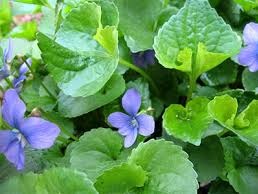
Violet leaves and flowers
Violets are rich in vitamin C, a much needed vitamin after a long winter. Vitamin C helps in the spring detox and the upward movement of life force energy. Violets are rich in enzymes, chlorophyll, vitamin A, carotenes, rutin (helps maintain blood vessel strength and integrity), and many more nutrients.

Young Nettles
Nettles are, by far, my favorite plant (and I love all the plants!). It is one herb I would add to every herbal healing blend for its nutritive properties. Nettles nourishes each and every body cell, helps to build strong bones, nourishes the glandular system, aid the reproductive tract (pms, migraines, prostate, libido builder), great for allergies and asthma, and just about any and every ailment I can think of. This is because of nettles high nutritional value; when the body is nourished the body heals!
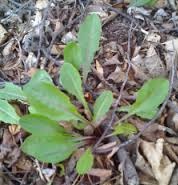
Young Dandelion
Um, Um Yum... dandelion greens and think liver. Dandelion is a bitter tonic for the liver helping with digestion and helping with the spring cleanse out of winter heaviness in our cells and life force energy. Dandelion is very high in nutrients (again, good for cellular health and build bones), is a mild laxative, and is good for skin conditions to name but a few of dandelion's virtues. Spring brings us this flower and the leaves to eat at just the time our body needs it. Nature is so wise!
Sorrels: Sheep and Wood sorrels

Sorrels are from the genus Oxalis. Oxalis means "sour" and is named due to its high oxalic acid content. Oxalic acid is considered "toxic" when consumed in large quantities because oxalic inhibits the absorption of calcium. Oxalic acid is not considered a problem when consumed moderately and with a varied diet. Many domesticated vegetables, including spinach and broccoli, also contain oxalic. People who are challenged by gout, rheumatism, and gallbladder and kidney stones should avoid it.
Sorrel is rich in vitamin C (the sour and vitamin C again contributes to the spring cleanse of winter's stagnation in the body). Traditionally it has been used to treat scurvy, fevers, urinary infections, mouth sores, nausea, and sore throats.
If you have never been one to grass your front lawn or the fields and woods near your home... I encourage you to find a good guide book with pictures, descriptions, and healing information and get foraging.
Remember the forager's ethical principle: take only what you need and make certain to leave plenty of plants so they can reproduce and repopulate the area you are wild harvesting from. If you take all the plants you are creating a micro-extinction in that area.
The "Diets" I Have Tried
First, let me define diet as simply the food one eats. Your diet is what you eat at a meal, over the course of a day, and more so over the course of your lifetime. Diets change with the seasons (especially if you eat local food) and with our moods.
Now I realize that most people quickly think "weight loss" when they hear the word diet. If I mean weight loss, I will specifically term this a weight loss diet. Many of us have tried different eating styles in the quest for better health, vibrant energy, balanced body weight, etc.: raw food, vegan, vegetarian, omnivore, carnivore (I am thinking a serious Dr. Atkin's diet here!), local, seasonal, gluten free, wheat free, juice fast, herbal tea fast, and on and on the quest goes to get it right. I am feeling a frisky need to share the things I have tried, how they worked, why I changed the "diet" yet again, and all the funny tales that accompany my food adventures. I have to laugh as it is all a learning journey, a trek through the food of my neighborhood and the world!

I offer up this information with humor and love. I think I am suffering from Cabin Fever and a serious desire to move into the Spring Fever mode!

Spring Fever Crocus flowers, 2014 at the Potsdam Food Coop... they want out of their winter "cabin" too!
Framed photos compliments of Jayne at the Potsdam Food Coop.


Vegetarian-Vegan:
I first veered from the diet I ate growing up after reading Diet for a New America by John Robbins when I was 26, maybe 27 years old. I then decided eating vegetarian was the life for me. This vegetarian eating quickly evolved into vegan eating; if I wasn't going to eat the actual animal because of the horrid way they are factory farm raised, I could not see me continuing to eat their products (milk, dairy products, and eggs) as being any different. This plant based diet of mine went on for 7 or so years. I had fun learning about all kinds of "new" veggies and beans that I had not been exposed to as a kid. You know, in walks the kale and collards and the broccoli not slathered in cheese sauce. Who Knew! Broccoli comes without cheese sauce? This diet is the how, when, what, where, and why of my learning to cook and eat seasonal veggies in amazing ways. Along this part of my diet trek I tried macrobiotic, Ayurvedic, and various other ethnic, plant based diets. What a fantastic way to learn spices, herbs, and food combinations that I was not exposed to in the meat, potato, and side salad and/or cooked veggie diet of my youth (Now trust me, I am not knocking my diet of childhood and young adulthood. Read on and you will see why.).

I was 33 when I experienced my first pregnancy. Along with pregnancy came dreams... dreams of Mom's roast beef dinners (yup, the meat and potato thing was back with me!), chicken and dumplings, venison stew, and various other omnivorous - carnivorous things my Mom whipped up in splendor. I wanted meat. My Dad, being the wise man he is said this: "Obviously your body is telling you something, get down here for dinner, your Mom is making you venison stew." So I did! The road from Hannawa Falls to Brasher Falls is not a long one when Mom's venison stew is at the journey's end! I continued to eat meat here and there throughout this pregnancy and mostly squelched my body's cry for protein with lots of free-range eggs and organic cheeses. Keep in mind; I ate a very healthy, whole food and plenty of protein foods vegetarian diet. No junk, no refined, no packaged vegetarian fake food products... just lots of veggies and beans and whole grains (pre-soaked and cooked in a thermos, I did it up right!). My only question from these vegan years: How did I survive without butter?
Lessons Learned:
If I was going to eat a vegetarian only diet again; and believe me, I eat plenty of vegetarian and vegan meals, I would do some things differently to prevent weight gain (more about this later). I would eat my beans coupled with lots of yummy, raw nuts and seeds, skip the grains most of the time, pile on the veggies, and enjoy fruits in moderation.
Veggies, veggies, and more veggies.
Many ways to whip up veggies and enjoy without cook books or recipes: how to spice them, how to blend them with other foods, how to enjoy then in ways never before!
Balanced diet for me: I tend to be better satiated with a leaning towards protein and fat and I maintain my healthy weight this way.

Omnivore (again):
Pregnancy, post pregnancy, and breast-feeding found me searching out local sources of grass fed meat / dairy and pasture raised eggs. I was an omnivore again! To my delight, the 15 to 20 pounds I had gained eating a mostly vegan diet literally melted off my body without any effort. I say mostly vegan diet as on occasion I would eat pizza with cheese: whole grain crust pizza loaded with yummy veggies and organic cheese!
Lessons Learned:
Mom's cooking rocks!
See vegetarian lessons above.

Weight Loss: herbal tea and juice fasts
Over the years of vegetarian and vegan eating... let me tell you the fun and funny diets I tried to lose this gained weight. Yup, now I am venturing into the "weight loss" diet realm. Now keep in mind, this was all pre-motherhood and I had plenty of time to mess around in the kitchen and the health food store learning and trying new things, prepping food, and making fresh juices and herbal teas. Post-kids... I just have to have food ready to eat!
I was always mystified as to why I was gaining weight on a vegetarian diet. It made no sense to me; I was eating a healthy, whole food, and animal fat free diet. Why was I getting fat when I was leaving the animals to keep their own fat alive and intact on their body frames? In retrospect, it was all in the grains, too many grains for my body. This is where the knowledge that not one diet is healthy for every human on the planet comes into play. We must consider our physiological make up, where we live, the climate, etc.
In come the herbal tea and juice fasts. I figured I could wash that fat right out of my flesh, re-set the metabolism, clean things up a bit, and get a fresh start on life and eating. I would eat raw foods for a day, drink nothing but fresh juices and herbal teas for 3 to 7 days or so, another day of raw foods, and then back to my vegan diet. My weight loss on these fun food frolics away from solid food? Big fat zero. Never worked! But I did these juicy, herbal fasts over and over. Now I confess it was fun and easy. The food prep was minimal and the clean up a snap. No prepping, chopping, and cooking food. Just a simple zip the veggies down the juicer tube and voila'... my meal was ready! I loved carrot, celery, and beet juice. Yummy!
Lessons Learned:
The best combinations of fruits and veggies in juice blends.
Juices are easy "to go" meals.
The body feels so good when it is emptied of food for a few days.
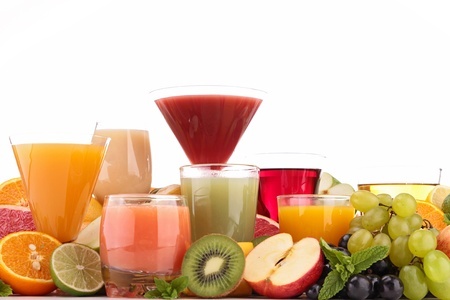
Beer Fast (or Beer & J.D. Fast):
Warning: While this form of liquid detox diet was fun in the moment (much fun), I have to warn you that its cellular enhancing properties are not recommended over the long haul of one's life. : ) And, for your information, the J. D. is not a juice related thing!
If you are wondering: "What? Paula on a beer diet?" Yes, in my 30 plus years of studying and living holistic health and healing... I have not been perfect. There, I confessed my food and beer style sins.
So, the beer fast, It goes like this:

Grab a mug,
Grab your sister (or any tight friend will do),
Bring a tent and sleeping bag,
Head for a weekend party that consists of kegs of beer,
No, no! Food is not required in the packing plan. I told you this was a beer fast! (The JD part, Jack Daniels, is optional based upon your strength of constitution.)
Lessons Learned:
One can survive several days on beer.
The colon is completely cleansed out after a weekend of beer fasting.
This type of fasting works more efficiently and pleasantly at younger ages.
My "taste" in beer has grown up a bit.
I miss my sisterly fun!
Macrobiotic:
Eating macrobiotic is recommended to heal the body of cancer and many other health concerns. Obviously I needed to look into this healing diet! (I was probably 28, maybe 29.) I read up on it, attended a couple of classes, and joined a weekly dinner group. Both the classes and dinner were through a group in Syracuse, NY called Wellspring.
The foods I was introduced to were amazing: pickled stuff, fermented this and that, sea weeds (on a more palatable note, sea vegetables), spices I had never heard of, many rice varieties, and on and on.
Lessons Learned
This was the start of my "local" food mentality. Pure macrobiotic, when you get to the heart of the teachings, is truly about eating the local foods, what is available locally and seasonally close to your home.
This made so much more sense than me, a basically French decent person, eating foods local to the country of Japan. Seemed silly transporting Japanese foods to my plate in Northern NY State.
Ayruvedic


Ayurvedic healing is a system where your specific healing and eating plan is based upon your constitution, your body type. What you eat is based upon the needs of your body: hot, dry, cold, wet, etc. and the 6 tastes in food to balance your specific body's needs, appetite, satiation, and taste buds. I am giving a very over simplified definition of this healing lifestyle.
As per one practitioner: The most important principle in the Ayurvedic Diet is that your food is fresh (without pesticides, additives, and other chemicals), seasonal, and as often as possible local. Fresh doesn't, however, mean raw. The best Ayruvedic meals are freshly cooked, whole meals.
Are you seeing a pattern in my learning through diet, dieting (not weight loss but simply eating plan) through learning?
Lessons Learned:
Again, it is the local and seasonal thing coming at me. All these ethnic cuisines I played around with just drove home the point that our food needs to be as fresh as possible which means local and seasonal food... not food shipped in from hundreds and thousands of miles away!
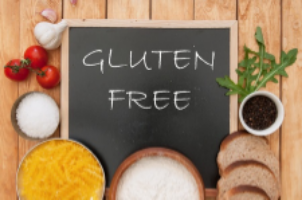
Gluten Free:
Well, except for beer, of course (It is that beer thing again. But no more all weekend beer fasts for me. I am not certain a 50 year old body can handle that lifestyle!).
I do buy wheat free beer (so I avoid the biggest issue around gluten, modern wheat), organic, and brewed in Europe. I figure European beer has a better chance of being free of GMOs and other unhealthy stuff.
Why I chose to go gluten free:
psoriasis on elbows, knees, shins, and eyelids,
joint pain,
digestive woes,
wheat that has been horribly altered from the original heritage grains people ate from time beginning that contains *Super-Gluten now, and Ta-Da...
GMO pesticides.


Lessons Learned:
My psoriasis, digestive woes, and joint pains disappear when I leave wheat alone.
I have learned so many other wonderful grains exist and can be used to make anything wheat was used to make. The consistency and end product is quite different from the regular wheat stuff we are used to. (2019 update: 99.75% of the time I am totally grain free and feel better. Seriously, Thai food without steamed rice noodles would be criminal!)
Gluten Free beer is nasty. I assume that European brewed, Belgian style ales are made with non-GMO barley and hops. The gluten in barley is a totally different thing than the gluten in modern wheat.
Belgian style ale is yummy. Have I mentioned this before?
I am certain I could tell many more tales, if I thought on it long and hard enough, about all the fun food diets I have tried, the foods and spices, and the cooking methods. Life is a journey; food is a journey... just make sure to have some good quality beer and butter (from grass-fed cows) along for the trek!
SHARE: Tell us your healing diet stories in the comments below.

*Super-Gluten: I use this term as a blanket word for wheat that has had the percentage of gluten in it changed horribly and in the cross breeding of wheat to arrive at modern wheat, we have created gluten proteins that have never existed before in heritage wheat.
Chewing for Weight Loss

I have written about the virtues of chewing on a few occasions. Every day I see health issues that could benefit from better chewing, so...
I feel compelled to write about chewing again because your whole body's health depends on the quality of food you eat AND that very food getting to your each and every body cell. Chewing is a foundational habit of good health.

Chewing properly:
- unlocks the nutrients in the whole food you feed yourself with so those nutrients can feed your body cells which
- makes for vibrant healthy body cells (this is a front line defense against disease of all manners)
- creates a healthy digestive tract
- feeds healthy gut microbes which in turn keep your immune and nervous systems healthy (really, your whole body healthy)
- prevents constipation
- prevents gastro-intestinal ill health symptoms
- and so many more whole health effects!
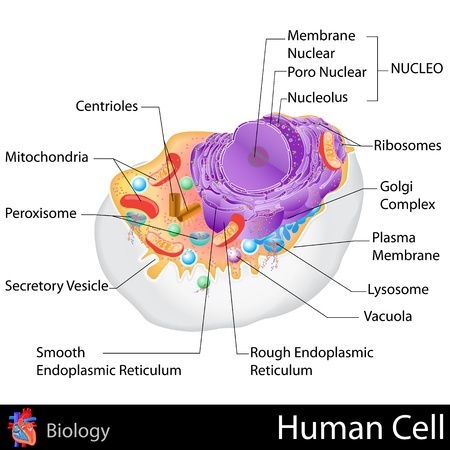
Chewing for Whole Cellular Health
Eating begins with the simple act of chewing which leads to smooth digestion and greater absorption and assimilation of nutrients by initiating the release of digestive enzymes that break down food. The better chewed your food, the better your body can absorb and use the food’s nutrition. This means healthier better nourished body cells.

The chewing action sends messages between the mouth, brain, and stomach alerting your digestive tract that food is coming. This helps to jump start the whole digestive tract for smoother functioning by starting your digestive juices rolling!
Have you ever chewed a piece of gum only to find your stomach churning and growling within 20 minutes? Your chewing of gum is telling your tummy that something is coming. In the case of chewing gum, nothing is actually headed down to the stomach. You have started the digestive process but not given your digestive tract food to work on.
Carbohydrate digestion begins in the mouth with chewing. Chewing converts whole grains, fruits and veggies, and other complex carbohydrates into satisfying whole food sugars. Whole foods must be mixed with saliva and chewed until they become liquid to release their full nutritional value.
In addition, the more whole carbohydrate foods are chewed, the sweeter they become. This, in of itself, helps to naturally satisfy the “sweet tooth” and end sugar cravings.
Better carbohydrate digestion, from efficient chewing, helps to end that bloated feeling after a meal. Bloat can be carbohydrates that are not digesting well from inadequate chewing and the resultant lack of mixing with salivary enzymes. You literally stop digestion in its tracts from poor chewing habits, making the stomach and small intestine work harder than nature intended.
Chewing breaks apart proteins and fats making the oils, proteins, vitamins, minerals, and all nutrients available for maximum absorption. Because digestion becomes so efficient when you chew your food thoroughly, your body will begin to feel wonderfully light.
Chewing food well takes your mouth and senses through the whole range of flavors in foods. This mindfulness practice, while eating, ensures that your senses experience sweet, salty, bitter, pungent, sour, astringent, and spicy. By chewing and experiencing these tastes, your body is satisfied with less food. No cravings later! (When your blender chews the food for you, you miss this taste sensation experience.)
Try this experiment: Eat a carrot. Chew it poorly (or what is normal chewing for you), leaving good size chunks in your mouth and swallow them. Aim for the size of sunflower or pumpkin seed chunks and swallow. What do you think you will find in your solid waste? You've got it, those very same chunks of carrots, virtually unchanged.
Chew another piece, slowly and taking your time, until the piece of carrot resembles smooth pudding in your mouth. No chunks will be found in your solid waste and your body will be able to absorb all the nutrients from the carrot. Chunks in your solid waste are food wasted; no nutrients can be pulled from the interior of solid chunks of food. Your digestive tract only pulls what it can from the surface area of these food chunks. When food is like “pudding” when swallowed, the food’s surface area is immense and available for digestion and absorption of nutrients.
“Drink your solids, chew your liquids.” An intelligent saying Dr. John Christopher, Naturopath, repeated over and over in the classes I took in Natural Healing and Herbal Medicine. When the solid food you swallow is in liquid form from chewing, your body can absorb all the nutrients in that food. (Whole food eating is expensive. Chew well to get your $$$ worth!) This ensures healthy cell regeneration and deposits into your nutritional banks (not withdrawals and degenerative cells!). This is a foundational practice for good nutrition and whole health.
When consuming liquids, chew them thoroughly also, so you are doing a fine job mixing those salivary enzymes with all the food that passes slowly through your mouth.

Chewing helps you lose weight!
When you slow down and thoroughly chew your food, you create a consciousness around what you are eating and your body’s satiation response (feeling physically satisfied). Chewing food well means your body can digest it better (break it down into usable nutrients) and absorb it better into your blood stream. This means that your each and every body cell will be delivered plenty of whole food nutrition. Your body will not be begging you for more food all the time if your cells are well nourished. Much of the time our hunger is not for more quantities of food and calories but it is a cry from our body for better nutrition, more nutrients at the cellular level. Slowing down to chew food into pudding like consistency (or chewing already liquid foods very well before swallowing) delivers more nutrients to the cells, squelches your body’s begging for food, prevents over eating calories every day, and ultimately supports your body in losing excess weight.
Chew well… life depends on this!
How to Chew Properly
•To get into the habit of chewing correctly, try counting the chews in each bite. It helps if you put your fork down between bites.
•Chew every mouthful of food at least 30 times each, until the food becomes liquid. Chew a minimum of 50 times if what you are eating is a really solid food (raw carrot).
•Chewing preps the digestive organs telling them food is coming. Better digestion is the result as the organs get prepped to release the necessary digestive enzymes.
•Chewing breaks down food and makes it easier on the stomach and small intestine to digest and prepare the nutrients for your beautiful body cells.
•Saliva assists in the digestion of carbohydrates, makes the food more alkaline, and creates less gas.
If under pressure at meals: take deep breaths before you begin your meal, chew, and let the simple act of chewing relax you. Taking the time to chew will help you to enjoy the whole spectrum of tastes and aromas that make up the meal. Taking the time to chew will increase cellular health as the nutrients are more available to your body cells!
Slowing down and taking the time to chew is actually a stress reduction exercise. It is a mindfulness exercise, the yoga of eating, around your food.
Good Meal Prep and Eating Suggestions
•Wash up.
•Create quiet spaces and peace for eating, turn off the “screens”.
•Use candle light to create peace and relaxation.
•Sit up with good posture.
•Say a prayer thanking the local farmers for their hard work, the earth that grew your food, your higher power, whoever cooked your meal, and your family and friends who dine with you. The simple act of gratitude slows and calms the body, mind, and soul.
•Put your utensil down when chewing.
•Relax, breathe, and experience the textures and flavors.
•Eat in a relaxed setting: not the car, your desk at work, standing at the kitchen counter, or while on the run.
•Say thanks after you eat as well.
•Create post meal conversation instead of bolting to the “next” activity
•Go for a walk, sit on the porch just listening, create a post meal relaxation experience
Enjoy every meal for the gift of life that it truly is, Paula