
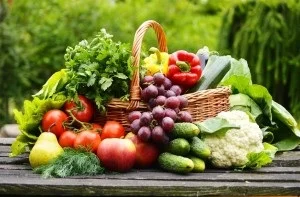
Common Sense Vegucation
Grow, Buy, & Eat organic veggies
Non-GMO a must. Look into heritage varieties.
Gently cook so veggies still have vibrant color and crisp texture. Yes, gone are the days of mushy, washed out colored veggies.
Grow your own? Keep your soil organically, bio-dynamically healthy. Skip the Miracle Gro® and other non-whole gardening additives. Whole foods & whole food vitamins feed your body’s “soil” best. Only feed the Earth’s soil with whole fertilizers, compost, etc.
Pull a carrot. Wipe the obvious dirt off. Eat without washing if your soil is chemical free / toxin free. Soil microbes (think probiotics) are in the soil.
Vibrant Soil = Vibrant Food = Vibrant Body Cells = Vibrant Whole Health
Prep veggies just before you are going to eat them or cook them. This preserves nutrients.
Steaming or light simmering veggies (remember, NO mush)? Use as little water as possible to retain nutrients in the food. Drain the cooking / steaming water into a mug, let cool, & drink. No more pouring nutrients down the drain. Don’t want to drink it? Save it for your house plant watering. Their soil needs nutrition too.
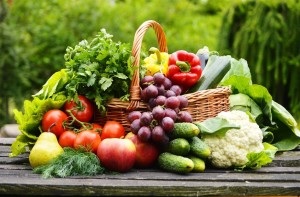
Grow, Buy, & Eat Organic Veggies
Non-GMO is a must. Look into heritage varieties. GMO foods are hard on the precious and very important gut lining & gut microbiome. Protect yours.
Gently cook your veggies so vibrant color and a crisp texture remains for your eating pleasure and cell nourishment. Yes, gone are the days of mushy, washed out colored veggies.
Grow your own? Keep your soil organically, bio-dynamically healthy. Skip the Miracle Gro® and other non-whole food gardening additives. Yes, your soil needs to be lovingly cared for with a whole food mentality. Whole foods & whole food vitamins feed your body’s “soil” best. Only feed the Earth’s soil with whole fertilizers, compost, etc.
Pull a carrot. Wipe the obvious dirt off. Eat without water washing & scrubbing if your soil is chemical free / toxin free. Soil microbes (think probiotics) are in the soil. If your soil is not chemical free, see suggestion directly above. ^^
Vibrant Soil = Vibrant Food = Vibrant Body Cells = Vibrant Whole Health
Prep veggies just before you are going to eat them or cook them. This preserves nutrients. When we cut into veggies, it creates open surface area that will begin oxidation and loss of water soluble vitamins. You want the most vibrant, nutrient dense food going into your body to make those cells squeal with delight.
If you are steaming or light simmering veggies (remember, NO mush)? Use as little water as possible to retain nutrients in the food. Drain the cooking / steaming water into a mug, let coking water cool, & then drink. No more pouring nutrients down the drain. Don’t want to drink it? Save it for your house plant watering. Their soil needs nutrition too.

Suggestions for Adding Veggies to Your Life In Ways You Can Love Them
1. Be adventurous, try new vegetables you have never cooked or tasted before. There are so many more than the tried and true potatoes, carrots, lettuce, and broccoli. Remember: cucumbers, peppers, and tomatoes are really fruit.
2. Find local farm stands, farm markets, and farmers who grow food sustainably. The food will be far more nutritious and you will be eating local, seasonal produce; not food shipped from thousands of miles away. Produce loses its nutritional value and vitality the longer it takes to travel to your plate.
3. Grow your own, even a small raised box or potted vegetables, to enjoy food fresh from the plant. Plant some berry bushes or maybe a fruit tree or two.
4. Make the commitment to eat at least 2 to 3 servings per meal and snack on vegetables and fruit when you need a between meal lift.
5. Make your plate mostly vegetables with high-quality, locally raised, grass-fed protein as the smaller portion on your plate. Add beans instead of the animal protein for another plant and fiber boost to your diet.
6. Add shredded carrots, beets, parsnips to your whole food baked goodies. A beet cake is a fun alternative to the well-loved carrot cake.
7. Add beets, carrots, squash, and parsnips to pancakes and waffle batter. I even add spinach, kale, collards, etc. to my kids’ pancakes. They used to call these “green” breakfast pancakes Shrek pancakes.
8. Make scrambled, poached, or fried eggs, beans and greens for breakfast. Get your eggs locally from a farmer who lets the chickens feed naturally.
9. Make omelets with lots of vegetables, different than the typical ones put in omelets. Be creative and adventurous. Add fresh herbs just before you fold it and shut off the heat. This prevents overcooking delicate herbs.
10. Make a breakfast burrito with scrambled eggs, from naturally raised chickens, and/or refried beans. Add plenty of vegetables and herbs and roll into a sprouted grain tortilla or a 100% whole grain tortilla. Buy organic so you can avoid genetically modified organisms, GMO’s*. Also, try rolling the burrito fillings into large leaves of kale, collard, or Swiss chard and really up the veggie intake.
11. Make vegetable curries for dinner and use the leftovers for lunch or breakfast. Curried vegetables and beans, eggs, or meat are yummy for any meal. Think past the typical refined grain breakfasts that most Americans eat: processed cereals and milk, doughnuts and coffee, or toast and juice. Start putting real food and vegetables into every meal.
12. Add hardy greens to soups, stews, stir fries: kale, collards, Swiss chard, dandelion greens, beet greens, spinach, arugula, mustard greens, endive, and escarole. Cut them into small, fine strips to make them more palatable if you are new to eating greens.
13. Make fruit smoothies for breakfast or snacks. If you avoid dairy, see my recipe on how to make fresh nut and seed milk. Making your own nut and seed milk avoids the packaged, processed, non-dairy milk. Remember to “chew” your smoothies.
14. Buy large carrots and make your own carrot sticks. Avoid packaged baby carrots. Most commercially packaged baby carrots are actually large carrots that were less than desirable (rotting), carved into baby carrot shapes and soaked in chemicals to kill microorganisms. This is not a healthy option
15. Make “sticks” out of any root veggie that appeals to you, eat them plain, dip into hummus or other whole food spread or dip. Root vegetables: parsnips, celeriac, turnips, daikon radish, rutabaga, carrots and beets.
16. Snack on red pepper halves filled with hummus, yummy! Or fill them with fresh herbed cottage cheese or herbed egg salad. Use your imagination.
17. Make fruit salads with local, seasonal fruits.
18. Add new vegetables to your raw, green salads that you have never tried in a raw salad. Try anything.
19. Skip desserts and eat fresh, local, seasonal fruit. Off season? Try local fruit you froze or canned. Try organic frozen fruits.
20. Make homemade pizza with whole grain crust and load it up with vegetables. Eat with a salad greens and veggie salad or a shredded root veggie and cabbage salad. Have that fruit salad for dessert.
21. In the fall and winter, bake quantities of squash, sweet potatoes, or yams and keep the extra for quick meals and snacks.
22. Add extra squash and sweet potatoes to pancake and waffle batter.
23. Extra squash is also yummy added to “egg nog” smoothies. I even add cooked beets to get vegetables into my kids.
24. Avoid ready-to-eat packaged vegetables and fruits. Sure they are convenient but once produce is cut up it loses nutrients and starts to decompose faster. Most pre-cut fruits and vegetables are wet. Wet sealed bags are an easy place for mold to grow.
25. Skip the “greens” in a salad and make a salad out of all kinds of raw chopped vegetables, grated root vegetables, and shredded cabbages. Mix it up and use simple oil and vinegar dressing.
26. Grill veggie chunks on kebabs. Add pineapple chunks for extra flavor.
27. Roast vegetables in the oven for fall and winter warming dishes. Try tourlou, a Greek roasted veggie delight.
28. Make big pots of soups and stews and eat all week. Think lots of vegetables.
29. At restaurants: skip the bread (it is refined flour anyhow) and ask for extra vegetables in your salad and as a side dish. Order pasta dishes without the pasta and have the chef put the pasta sauce on a pile of steamed vegetables instead. You avoid the refined flour pasta and get the benefits of vegetables. Skip any flour- based food when you are out and about (crackers, noodles, pasta, bread, desserts, white rice) and opt for extra vegetables instead.
30. Skip the factory-farmed meat at fast food restaurants (skip the fast food altogether, but if you find yourself with no other option…) eat a salad and baked potato with beans and salsa. Hopefully there is a salad bar with beans to add some digestive “staying” power to the vegetables. Protein and fat, balance out the meal, creating greater and longer satisfaction between meals.
31. Use whole grain quinoa, millet, amaranth, teff, or brown rice to make a “pasta” salad. You will be skipping the actual packaged pasta and using the whole grains instead. Then add far more vegetables to your whole grains than most people do to the average summertime pasta salads.
32. Grate up all kinds of veggies and use instead of pasta. Quick stir fry grated zucchini or yellow squash and use as pasta. Use an actual spaghetti squash instead of pasta.
Final thoughts:
Fruits are generally easy for people to add into their diet, vegetables are where people can get stuck. Avoid Shopper’s Rut (using the ame produce week in & week out).
Fruits and vegetables make for good cell replication - healthy cell biology.
Every step towards healthy, whole food eating creates positive changes in the health of your cells and your whole body.
* GMOs are genetically modified organisms, in this case genetically modified foods. These are foods that have had their genetics manipulated in laboratories; they have had extra genes spliced into their genetic material. Examples are tomatoes with salmon genes spliced into them, supposedly to make the tomato more cold hardy. While this may make sense on some level to some people; did nature intend for tomatoes to have salmon genes? I think not. I will go with nature’s plan. She seems to know what she is doing.

Sink into the Rhythms of Nature with Sacred Circle Yoga™ Mentorship

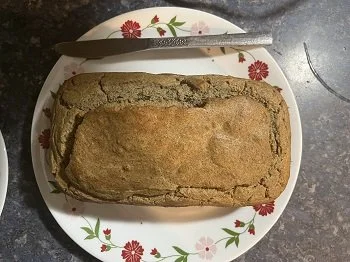
My Best Gluten Free - Grain Free Bread Yet!

UPDATED 9/28/22
Why was this particular loaf so much better? I have made several varieties of the gluten free, 100% whole food flour, bread from various websites. One was too eggy. It had 6 eggs per one loaf of bread. It was more like eating some sort of weird loaf of quiche. Others were too moist and dense. This one I remedied by cutting the eggs to 4, adding lots of extra butter, and using milk.
The top is nice and brown crispy. And it is not doughy in texture. I had a slice warm from the oven and literally slathered in slices of butter. Delicious!
Ingredients
2/3 cup organic buckwheat flour
2/3 cup organic quinoa flour
2/3 cup organic millet flour
2 Tbsp coconut flour
1 rounded teaspoon baking soda
1 rounded tsp baking powder
1/3 cup + a little extra organic Pasture Butter, I am very generous with the butter, and I gently melt it before adding to the batter
1 TBSP apple cider vinegar
2 TBSP local maple syrup
4 local & organic eggs
3/4 cup local, organic Goat’s milk
½ teaspoon unrefined pink Himalayan salt


Vinegar, Milk, Salt, & Eggs
Melt the butter
Beat the eggs
Mix in melted butter, milk, & maple syrup
Mix dry ingredients together
Add dry to wet & mix well
You will have more of a thick bread batter than a traditional yeasted bread dough
Pour into a well buttered bread pan ( I use 8 1/2 L X 4 3/4 W X 2 3/4 D )
Bake at 350F for 55 minutes or so until top is crispy brown & loaf pulls away from the bread pan sides
Let cool for 10 minutes and then remove to a plate. Allow to finish cooling.
Slice & use for your favorite sandwiches, toast for a buttery delight, add jam, melt cheese on, spread with hummus / peanut butter / Nuttzo butter… whatever pleases you! Bologna from well raised pigs?? I no longer have a source for such childhood comfort foods. Bummer.

Goat’s Milk Butter

I have one frozen package of Piggery Bologna left… the business has been closed for over a year. I will miss this pasture raised pork bologna when I finally decide to break it out of the freezer and indulge.
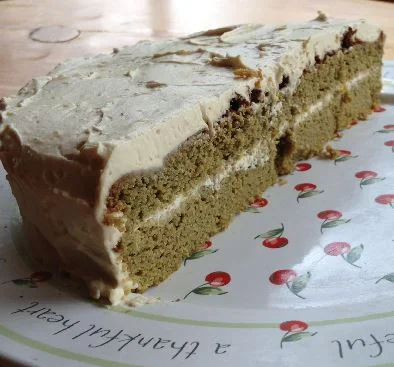
Stinging Nettle Cake
I can't proclaim the brilliant idea for this cake came from me. I confess, I eat nettles in every way possible, even blending up raw in a morning green drink (yes, all green plants come from my lawn). When Debbie Miller of Earth Rythm Wellness in Ogdensburg, NY shared the recipe with me... I think the whole North Country knows I am a Nettle Queen, I thought "Why Not?" We make carrot cakes, beet cakes, zucchini cakes and breads; nettle cake sounds like a splendid idea to me.


I can't proclaim the brilliant idea for this cake came from me. I confess, I eat nettles in every way possible, even blending up raw in a morning green drink (yes, all green plants come from my lawn). When Debbie Miller of Earth Rythm Wellness in Ogdensburg, NY shared the recipe with me... I think the whole North Country knows I am a Nettle Queen, I thought "Why Not?" We make carrot cakes, beet cakes, zucchini cakes and breads; nettle cake sounds like a splendid idea to me.
The original recipe came from Kate Hackworthy, a freelance food writer, magazine columnist and blogger who admits to being unashamedly obsessed with vegetables. I don't know her but I like her already! Kate lives in the UK and writes about her veggie obssessions on her blog Veggie Desserts.

The raw nettles about to get blended into a non-stinging cake patter puree, see #7 below.
Here is what I did differently. Come on, don't act shocked. If you know me, you know every recipe gets the Paula Whole Food Makeover.
- I added pasture raised goat's milk (nope, I don't have goats but I love my farmer and farm family who care for my goats.)
- I used 4 eggs, yup, from the same loved farmer. Eggs bind things better and I use gluten free flours. No gluten in the flour and things tend to get crumbly, cakes can fall apart. But, the frosting always glues things back together nicely! ; )
- I stuck with the 3/4 cup sugar. Surprised? Are you saying: "What? Paula always decreases the sugar?" Yes, I do but most cake recipes call for 2 cups of sugar that I immediately decrease to 2/3 or 3/4 a cup. Kate, the veggie loving gal from the UK, did this for me!
- At least 1 tablespoon (3 teaspoons) of real, organic vanilla. Recipe called for 2 teaspoons. I am heavy handed with vanilla and pour right from the bottle into the batter despite what my high school home ec teacher tried to teach me. Sorry Jane.
- I used 1 1/2 to 1 3/4 cups of gluten free flour not refined, white, wheat flour. This is why my cake will not be so luminous green from the nettles but more of an earthy brown tinted green. I used a blend of oat, quinoa, millet, and amaranth flour that I ground fresh. All organic and the oats are certified gluten free as well.
- I used a very full, very rounded tablespoon of baking powder not the 2 teaspoons the recipe called for. Gluten free flour is, well gluten free, and can use a 'lil kick in the bran and germ butt to get fluffed up. Do not be mistaken: this cake will not be the light fluffy cakes you are expecting from baking with refined white flour. Will it be yummy: yes it will!
- Nettles: I easily over did the 2 packed cups. I did not boil them. The nettles are being pureed in the blender and baked in the oven. If the sting can withstand that well then sting away baby! Seriously, just blending the raw nettles into the batter gets rid of the sting. I make pesto with raw nettles all of the time and never have I been stung.
- I added 1/2 to 3/4 a tsp. of baking soda. Not sure why, just a habit and seems fitting with gluten free flour. (No, I do not used refined gluten free flour mixes of tapioca, potato, and/or white rice flour. Most gluten free flours and products are crap food sources that do not feed cellular health.)
- For the frosting: I made my customary heavy cream & neufchatel cheese frosting to which I added in the 1/2 lemon's worth of zest and 1/2 lemon's worth of juice (1 tablespoon). I did use a fresh organic lemon for the zest but I saved the juice part for my liver flush am drink and used bottled organic lemon juice. I figured the juice was getting baked at 350 F and would destroy the vitamin C so why not use the fresh lemon juice right now in its raw state? Yes, this is how my mind works all of the time.
- I used Sucanat unrefined organic sugar not refined white table sugar.
- I poured the batter into one 9" round cake pan instead of the two 7" pans. I like to slice cakes in half and toy with the gluten free flours ability to hold up to my kitchen play. The then raw cut surface of the cake soaks up the yummy frosting better. This took 50 minutes of baking at 350 F. I then cracked the oven door about 3-4 inches, shut off the gas, and let it sit there in the warm oven to cool.

The cake batter in a 9" pan looking a bit olive drab green not the bright green of Kate from the UK's cake, See # 5 & # 11 above explaining pan size difference and cake color difference.
OK, Ok, I will quit finger babbling and give you the ingredients and directions.
Into the VitaMix Blender I put:
- 1 cup goat's milk
- 4 eggs
- 2+ packed cups of raw nettle leaves, stems not removed 'cuz I am a nettle rebel
- 3/4 cup sucanat unrefined, organic sugar
- 1 tbsp. vanilla extract
- 3/4 cup soft butter (extra for lubing up the cake pan really well)
- zest of 1/2 lemon
- 1 tbsp. organic lemon juice
- 1 3/4 cups gluten free flour: oat, amaranth, quinoa, millet (no refined crap please, see #8 above)
- 1 tbsp. baking powder, aluminum free please, your brain will thank you
- 3/4 tsp. baking soda
- 1/2 tsp. unrefined sea salt of the pink Himilayan variety
- Preheat 350 F oven.
- Blend into a greenish brown frenzy.
- Stop 2-3 times to scrape the sides down.
- Rub that luscious butter all over the insides of the 9" cake pan.
- Pour cake batter into butter loved pan.
- Slip into that hot 'ole oven and bake for 50 minutes.
- After 50 minutes, slip a knife into the cake to see if it is done, finished, baked to perfection.
- If so, keep oven cracked 3-4 inches and leave cake on the rack.
- When cool, frost your 'lil stinging nettle cake with the frosting I use for everything...
Frosting:
- Organic heavy cream, one or two 8 oz containers
- Organic Neufchatel Cheese, one 8 oz package
- 2 - 4 tbsp. dark maple syrup
- Zest of 1/2 lemon
- 1 tbsp. lemon juice, basically juice from 1/2 lemon
- Put all ingredients in a mixing bowl and use an electric hand mixer to whip into frosting consistency.
- You can slice the cake open for 2 layers, if you wish. I suggest proceeding with caution as gluten free cakes can be tricksters.
- Frost.
- Let sit for a bit to settle into the flavor melding.
- Serve with the Blackberries that Kate of the UK suggests, or not.
- Enjoy. Nettles are amazing nourishing food. Adding them to cake makes sense!
Voilà: The finished cake!
Because of the whole grain flours and unrefined sugar (very brown and not white like refined baking ingredients), the cake does not have the luminous green of Kate's of the UK. It was delicous. As with all whole food baked goods I like to tell people to get used to the heavier texture. Unrefined foods mean you have the density of fiber, minerals, vitamins, complex carbohydates, proteins, and fats... not light, fluffy refined and empty calories (cellular health degenerating). Dense food is real food feeding your cellular health.

Happy Memorial Day!
Be Grateful to All who have given to make your life better.


Need support around finding your personal space of gratitude in this world? Jenny Morill & I share our new book about creating mindfulness & healing. We hold sacred space for you.
Carrot Cake: Grain Free & Cow's "Liquid Lactation" Free :)
I work with people who have health challenges... sometimes big health challenges:
- auto-immune,
- cancer,
- diabetes, etc.
The ravages of modern living and modern eating raise holy hell with people's bodies creating ongoing inflammation, immune activation, cellular metabolism issues, blood sugar issues, glandular ill health... BUT, people still want an occasional celebratory food to relax into and enjoy.
With above said health challenges; the removal of gluten, grains, and cow's milk dairy (it is a caesin & A1 protein / caesin issue) are imperative (from a functional medicine / natural health perspective) to reduce gut and immune health inflammation and get the healing process rolling.

Read on my friends... recipe is below!
I work with people who have health challenges... sometimes big health challenges:
- auto-immune,
- cancer,
- diabetes, etc.
The ravages of modern living and modern eating raise holy hell with people's bodies creating ongoing inflammation, immune activation, cellular metabolism issues, blood sugar issues, glandular ill health... BUT, people still want an occasional celebratory food to relax into and enjoy.
With above said health challenges; the removal of gluten, grains, and cow's milk dairy (it is a caesin & A1 protein / caesin issue) are imperative (from a functional medicine / natural health perspective) to reduce gut and immune health inflammation and get the healing process rolling.
My son Jakob's birthday is always celebrated twice: once with his summer, Lake Ozonia friends and once with family. Dates and times available never seem to mesh to celebrate with all together.

Summer Friend Birthday Celebration: Bridge Jumping, Jake's On The H2O, & Cake
This year I made him the standard, as close to whole food, Oreo® cookie cake that a mom can muster up in the kitchen. I use Newman's Organic creme filled chocolate cookies. It is year # 6 for this cake, making twice yearly for both sons, and I think I have perfected it.
Now comes the family celebration cake. With health issues to consider, I have opted to make a non-inflammatory cake of Jake's 2nd favorite option... carrot cake. Click carrot cake, back there, for the standard whole food carrot cake recipe. Oh yeah... and enjoy.
Grain Flour Free, Cow's Milk & Butter Free, Gluten Free BUT Yummy Whole Food Carrot Cake:
- 3 eggs
- 1 cup buttermilk (I used raw goats milk soured with 1 tbsp. raw apple cider vinegar)
- 3/4 cup organic coconut oil (melted)
- 3/4 cup sucanat sugar
- 3 tsp. vanilla
- 3 tsp. cinnamon
- 1/4 tsp. unrefined sea salt
- 3/4 cup fresh ground coconut flour
- 1 cup fresh ground almond flour
- 2 tsp. baking soda
- 2-3 tsp. cinnamon
- 1 tsp. cardamom
- 1 tsp. nutmeg
- 1 1/2 tsp. ginger
- 1 rounded TBSP. baking powder
- 2 cups shredded carrots
- 1 - 8 oz can pineapple with natural juice, no added sugar (I used the organic canned pineapple from the Coop, it is a 14 oz can, i used 1/2+. I will use the whole can the next time I make this yummy cake.)
(All ingredients organic and naturally raised)
Preheat oven to 350 F.
- Beat eggs, then beat in buttermilk, and coconut oil.
- Blend in sugar, vanilla, and spices.
- Mix in nut flours, b. soda, b. powder, and salt.
- Shred carrots on a cheese grater and blend into batter.
- Chop pineapple pieces in blender to a puree and mix into batter.
- Add 1/2 the can's pineapple juice and mix in well.
- Use coconut oil to grease two 8" round cake pans, divide batter evenly between two pans
- Bake for 45 minutes, until cakes is pulling from edge of pans and knife inserted in center comes out clean.
- Allow to cool until just warm and turn out on cooling racks.
- When completely cool, frost the bottom layer, add the top layer, and frost top and sides completely.
Options: You can add the raisins, coconut flakes, and walnuts of the original recipe.
Frosting:
This creates a cow's milk dairy free frosting. Auto-immune conditions benefit from avoiding gluten and cow's milk dairy.
- 2 cups raw unsalted cashews, covered in water and soaked overnight (24 hours is even better)
- 3/4 - 1 cup sheep's milk feta
- 1/4 cup maple syrup
- 2 tbsp. water (use water from soaking the cashews)
- 2 tsp vanilla extract
- 1 tsp almond extract
- 1/2 tsp apple cider vinegar
- pinch or two of unrefined sea salt
I soaked 2 cups of organic, raw cashews (I think they were free range?) overnight in a wide mouth 3 cup peanut butter jar. Put the cashews in the jar and just cover with enough water to submerge the nuts. They will swell considerably by AM.

- Drain cashews. Place in food processor with remaining frosting ingredients.
- Purée on high. You want all ingredients to blend well together into a creamy consistency.
- Scrape out of food processor into a bowl and freeze for 30 minutes.
- Remove from the freezer and fluff with a fork.
- Freeze again for 15 minutes.
- Fluff up again.
- Freeze for 15 minutes.
- Fluff again.
- Freeze for final 15 minutes.
- Fluff very vigorously until frosting becomes light.
- Frost your carrot cake.
- Refrigerate until serving time.
Summer Veggies & Cheese
Summer time and the living (cooking & eating) should be easy. Produce is abundant everywhere. I advice growing your own or buying from your local farmer who gardens without the use of any chemicals. Summer enjoyment of the bounty needs to be fresh and in simple preparations so we can get back outside ASAP. Grating and quick stir frying veggies is easy and a speedy way to get dinner on the table.
For last eve's quicky, get back outside dinner:

Summer time and the living (cooking & eating) should be easy. Produce is abundant everywhere. I advice growing your own or buying from your local farmer who gardens without the use of any chemicals. Summer enjoyment of the bounty needs to be fresh and in simple preparations so we can get back outside ASAP. Grating and quick stir frying veggies is easy and a speedy way to get dinner on the table.
For last eve's quicky, get back outside dinner:
- 1 medium yellow squash
- 1/2 large red onion
- 3 medium cloves of garlic (yup, dragon breath here I come!)
- Goat's milk cheddar from Nature's Storehouse, Canton, AND from Goats living and lactating in Candor, NY! How awesome is that?
- Goat's milk Manchego cheese from the Potsdam Coop, maybe it was sheep's milk cheese??? That is what wikipedia tells me manchego is made from and who am I to argue with wikipedia?
- any fresh herbs from your garden or your farmer's garden (basil, oregano, cilantro, parsley, rosemary, thyme, sage, lemon balm... use your imagination here to mix and match fun flavors from Mother Earth)
- butter or ghee from pasture raised, lactating animals


- heat an appropriate sized pan for the amount of veggies you are grating to feed the crew who will grace your table
- add some ghee or butter
- chop onion into any size or shape you desire and saute in the above warmed up pan
- while onion is gently cooking, use the above cheese grater contraption and grate the yellow squash
- when onion is soft but not over cooked, add grated yellow squash
- while yellow squash gratings are gently cooking, grate your cheese chunks on same said grater contraption
- peel garlic and put into your garlic press or finely chop garlic
- fine chop the herbs you have gathered
- spread cooking veggie mix into even layer in pan
- sprinkle garlic across top of veggies
- sprinkle chopped herbs atop this mix
- top with cheese
- cover pan and turn off heat; you want cheese to melt but do not want mushy, color drained, over cooked veggies (trust me on this one)
- in 5 minutes or so, uncover pan and place appropriate amounts of food onto the plates of the crew gracing your table
Options to play with this veggie mix:
- use a zucchini in the grated veggies
- use any seasonally & locally available produce in the veggie gratings. If the veggie is not appropriate for grating (tomatoes), then just finely chop them
- try any kind of cheese that you have on hand or suits your fancy
- add chickpeas, lentils, or whatever bean you crave
- add chunks of chicken, sausage...
- toss some raw nuts or seeds on top of your veggies
- sprinkle with unrefined sea salt (depending on the saltiness of the cheese) and fresh ground pepper
- olives?
- roasted red pepper chunks
Immune MishMash in the kitchen

When a touch of the flu hits your home be prepared with some tools to boost the immune system:
- Brothy soups (bone broths are nice)
- Elderberry syrups or tinctures (Check out my elderberry article in the next Potsdam Food Co-op's newsletter, coming soon)
- Flu tonics: (No Time For Getting Sick, everyone around me was sick and needing my care, I had to be the one to stay functioning!)
- Herbal teas: nettle, yarrow, rosemary, peppermint (Instructions for making medicinal infusions, teas, click the herbal teas link
- Hot baths with plenty of water (or the above immune herbal teas) to drink while bathing. Fevers need to be kept hydrated and allowed to do their work. A fever's purpose is to destroy the microbes causing the sickness with their heat. Fevers are part of your immune response for healing infections. If you reduce fevers with medications and cold baths, the heat of fever cannot work for you. Keep the feverish person very well hydrated to avoid the problems of fever that people fear.
- Whole food green drink such as SuperFood Plus
- Foods rich in:
- Vitamin C (lemon water?),
- selenium (brazil nuts anyone),
- zinc (pumpkin seeds?)
I was making a pot of soup, pictured above, to offer something brothy for my sick kid's bodies. The flu hit and one kid had a fever for 11 days. Mom care was required. As I am making the soup, "extended fever boy" is lying on the couch around the corner and says to me:
Jake: "What are you making for dinner Mom?"
Mom: "Soup"
Jake: "Your soup is scary to me. It always contains one or more of the following:
- animal carcasses (bone broths)
- rotting bean matter (miso)
- vegetables that most of the modern world have never heard of!
Mom: "Thanks for the vote of confidence."
Jake: "I don't appreciate finding scary things in my scary soup. The soups usually taste good but what is in it terrifies me. I observe it very carefully before I eat it."
Makes a Mom run to the kitchen to create healthy fare for her loved ones!
The Soup Recipe
- Bring 3-4 cups of water to simmer, slowly, no need to boil. Keep pot covered and on lowest heat.
- Saute' a medium onion chopped into fine slivers. Saute' in butter from pastured animals, animal fat, or coconut oil.
- Grate or finely chop cabbage, about 1 cup.
- Grate a small celeriac.
- Add both to onion saute' and quick stir fry.
- Add above veggie mix to the simmer water and keep heat as low as possible. Do not boil this soup.
- Finely chop kale and saute', about 1 cup.
- Grate a carrot and add to saute'.
- Toss into saute' some frozen red pepper strips that you perhaps froze before growing season ended.
- Stir fry all 3 together and add to veggie soup mix in pot.
- Add a pinch or two of cayenne to soup.
- Peel and press 1-2 cloves of garlic into soup.
- I then added 3-4 tablespoons of South River Miso's Sweet White Miso.
- Last addition was the flu syrup sitting on the counter. It contained raw apple cider vinegar, raw honey, garlic, onion, ginger, and turmeric. There was 2/3 to 3/4 a cup left in the jar. I dumped it all into the soup and stirred it up.
- Soup was finished and ready for serving to my terrified kid.
The only thing else I would have added, had I some bone broth on hand, would be bone broth instead of the water at the beginning. I recommend keeping bone broth made and frozen in wide mouth quart canning jars for flu emergencies.
Happy immune boosting soup making. I hope you efforts are appreciated and not creating a reign of soup terror!
Making Bone Broth: From my educational handout on bones and minerals
Bone broths are made with fish, chicken, turkey, beef, and lamb bones and a tablespoon of vinegar to liberate the minerals. Put bones in a sauce pan, soup pot and cover with water, just enough to cover bones. I squish the bones down into the pot. Add the tablespoon of raw apple cider vinegar and cover the pot. I soak the bones in the vinegar water overnight and slow simmer for hours the next day. I gently bring to a simmer on the stove top. Then I place in a pre-heated 220 F oven and leave for 4-5 hours if chicken bones and longer if harder bones. Remove bones and use as a soup stock for veggie soup or eat the broth as is (add a bit of unrefined sea salt to taste). If making veggie soup, I saute' the veggies before adding to the hot broth to avoid simmering the broth anymore.