
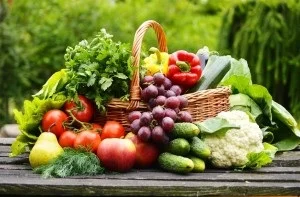
Common Sense Vegucation
Grow, Buy, & Eat organic veggies
Non-GMO a must. Look into heritage varieties.
Gently cook so veggies still have vibrant color and crisp texture. Yes, gone are the days of mushy, washed out colored veggies.
Grow your own? Keep your soil organically, bio-dynamically healthy. Skip the Miracle Gro® and other non-whole gardening additives. Whole foods & whole food vitamins feed your body’s “soil” best. Only feed the Earth’s soil with whole fertilizers, compost, etc.
Pull a carrot. Wipe the obvious dirt off. Eat without washing if your soil is chemical free / toxin free. Soil microbes (think probiotics) are in the soil.
Vibrant Soil = Vibrant Food = Vibrant Body Cells = Vibrant Whole Health
Prep veggies just before you are going to eat them or cook them. This preserves nutrients.
Steaming or light simmering veggies (remember, NO mush)? Use as little water as possible to retain nutrients in the food. Drain the cooking / steaming water into a mug, let cool, & drink. No more pouring nutrients down the drain. Don’t want to drink it? Save it for your house plant watering. Their soil needs nutrition too.
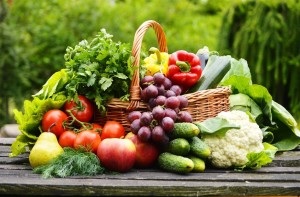
Grow, Buy, & Eat Organic Veggies
Non-GMO is a must. Look into heritage varieties. GMO foods are hard on the precious and very important gut lining & gut microbiome. Protect yours.
Gently cook your veggies so vibrant color and a crisp texture remains for your eating pleasure and cell nourishment. Yes, gone are the days of mushy, washed out colored veggies.
Grow your own? Keep your soil organically, bio-dynamically healthy. Skip the Miracle Gro® and other non-whole food gardening additives. Yes, your soil needs to be lovingly cared for with a whole food mentality. Whole foods & whole food vitamins feed your body’s “soil” best. Only feed the Earth’s soil with whole fertilizers, compost, etc.
Pull a carrot. Wipe the obvious dirt off. Eat without water washing & scrubbing if your soil is chemical free / toxin free. Soil microbes (think probiotics) are in the soil. If your soil is not chemical free, see suggestion directly above. ^^
Vibrant Soil = Vibrant Food = Vibrant Body Cells = Vibrant Whole Health
Prep veggies just before you are going to eat them or cook them. This preserves nutrients. When we cut into veggies, it creates open surface area that will begin oxidation and loss of water soluble vitamins. You want the most vibrant, nutrient dense food going into your body to make those cells squeal with delight.
If you are steaming or light simmering veggies (remember, NO mush)? Use as little water as possible to retain nutrients in the food. Drain the cooking / steaming water into a mug, let coking water cool, & then drink. No more pouring nutrients down the drain. Don’t want to drink it? Save it for your house plant watering. Their soil needs nutrition too.

Suggestions for Adding Veggies to Your Life In Ways You Can Love Them
1. Be adventurous, try new vegetables you have never cooked or tasted before. There are so many more than the tried and true potatoes, carrots, lettuce, and broccoli. Remember: cucumbers, peppers, and tomatoes are really fruit.
2. Find local farm stands, farm markets, and farmers who grow food sustainably. The food will be far more nutritious and you will be eating local, seasonal produce; not food shipped from thousands of miles away. Produce loses its nutritional value and vitality the longer it takes to travel to your plate.
3. Grow your own, even a small raised box or potted vegetables, to enjoy food fresh from the plant. Plant some berry bushes or maybe a fruit tree or two.
4. Make the commitment to eat at least 2 to 3 servings per meal and snack on vegetables and fruit when you need a between meal lift.
5. Make your plate mostly vegetables with high-quality, locally raised, grass-fed protein as the smaller portion on your plate. Add beans instead of the animal protein for another plant and fiber boost to your diet.
6. Add shredded carrots, beets, parsnips to your whole food baked goodies. A beet cake is a fun alternative to the well-loved carrot cake.
7. Add beets, carrots, squash, and parsnips to pancakes and waffle batter. I even add spinach, kale, collards, etc. to my kids’ pancakes. They used to call these “green” breakfast pancakes Shrek pancakes.
8. Make scrambled, poached, or fried eggs, beans and greens for breakfast. Get your eggs locally from a farmer who lets the chickens feed naturally.
9. Make omelets with lots of vegetables, different than the typical ones put in omelets. Be creative and adventurous. Add fresh herbs just before you fold it and shut off the heat. This prevents overcooking delicate herbs.
10. Make a breakfast burrito with scrambled eggs, from naturally raised chickens, and/or refried beans. Add plenty of vegetables and herbs and roll into a sprouted grain tortilla or a 100% whole grain tortilla. Buy organic so you can avoid genetically modified organisms, GMO’s*. Also, try rolling the burrito fillings into large leaves of kale, collard, or Swiss chard and really up the veggie intake.
11. Make vegetable curries for dinner and use the leftovers for lunch or breakfast. Curried vegetables and beans, eggs, or meat are yummy for any meal. Think past the typical refined grain breakfasts that most Americans eat: processed cereals and milk, doughnuts and coffee, or toast and juice. Start putting real food and vegetables into every meal.
12. Add hardy greens to soups, stews, stir fries: kale, collards, Swiss chard, dandelion greens, beet greens, spinach, arugula, mustard greens, endive, and escarole. Cut them into small, fine strips to make them more palatable if you are new to eating greens.
13. Make fruit smoothies for breakfast or snacks. If you avoid dairy, see my recipe on how to make fresh nut and seed milk. Making your own nut and seed milk avoids the packaged, processed, non-dairy milk. Remember to “chew” your smoothies.
14. Buy large carrots and make your own carrot sticks. Avoid packaged baby carrots. Most commercially packaged baby carrots are actually large carrots that were less than desirable (rotting), carved into baby carrot shapes and soaked in chemicals to kill microorganisms. This is not a healthy option
15. Make “sticks” out of any root veggie that appeals to you, eat them plain, dip into hummus or other whole food spread or dip. Root vegetables: parsnips, celeriac, turnips, daikon radish, rutabaga, carrots and beets.
16. Snack on red pepper halves filled with hummus, yummy! Or fill them with fresh herbed cottage cheese or herbed egg salad. Use your imagination.
17. Make fruit salads with local, seasonal fruits.
18. Add new vegetables to your raw, green salads that you have never tried in a raw salad. Try anything.
19. Skip desserts and eat fresh, local, seasonal fruit. Off season? Try local fruit you froze or canned. Try organic frozen fruits.
20. Make homemade pizza with whole grain crust and load it up with vegetables. Eat with a salad greens and veggie salad or a shredded root veggie and cabbage salad. Have that fruit salad for dessert.
21. In the fall and winter, bake quantities of squash, sweet potatoes, or yams and keep the extra for quick meals and snacks.
22. Add extra squash and sweet potatoes to pancake and waffle batter.
23. Extra squash is also yummy added to “egg nog” smoothies. I even add cooked beets to get vegetables into my kids.
24. Avoid ready-to-eat packaged vegetables and fruits. Sure they are convenient but once produce is cut up it loses nutrients and starts to decompose faster. Most pre-cut fruits and vegetables are wet. Wet sealed bags are an easy place for mold to grow.
25. Skip the “greens” in a salad and make a salad out of all kinds of raw chopped vegetables, grated root vegetables, and shredded cabbages. Mix it up and use simple oil and vinegar dressing.
26. Grill veggie chunks on kebabs. Add pineapple chunks for extra flavor.
27. Roast vegetables in the oven for fall and winter warming dishes. Try tourlou, a Greek roasted veggie delight.
28. Make big pots of soups and stews and eat all week. Think lots of vegetables.
29. At restaurants: skip the bread (it is refined flour anyhow) and ask for extra vegetables in your salad and as a side dish. Order pasta dishes without the pasta and have the chef put the pasta sauce on a pile of steamed vegetables instead. You avoid the refined flour pasta and get the benefits of vegetables. Skip any flour- based food when you are out and about (crackers, noodles, pasta, bread, desserts, white rice) and opt for extra vegetables instead.
30. Skip the factory-farmed meat at fast food restaurants (skip the fast food altogether, but if you find yourself with no other option…) eat a salad and baked potato with beans and salsa. Hopefully there is a salad bar with beans to add some digestive “staying” power to the vegetables. Protein and fat, balance out the meal, creating greater and longer satisfaction between meals.
31. Use whole grain quinoa, millet, amaranth, teff, or brown rice to make a “pasta” salad. You will be skipping the actual packaged pasta and using the whole grains instead. Then add far more vegetables to your whole grains than most people do to the average summertime pasta salads.
32. Grate up all kinds of veggies and use instead of pasta. Quick stir fry grated zucchini or yellow squash and use as pasta. Use an actual spaghetti squash instead of pasta.
Final thoughts:
Fruits are generally easy for people to add into their diet, vegetables are where people can get stuck. Avoid Shopper’s Rut (using the ame produce week in & week out).
Fruits and vegetables make for good cell replication - healthy cell biology.
Every step towards healthy, whole food eating creates positive changes in the health of your cells and your whole body.
* GMOs are genetically modified organisms, in this case genetically modified foods. These are foods that have had their genetics manipulated in laboratories; they have had extra genes spliced into their genetic material. Examples are tomatoes with salmon genes spliced into them, supposedly to make the tomato more cold hardy. While this may make sense on some level to some people; did nature intend for tomatoes to have salmon genes? I think not. I will go with nature’s plan. She seems to know what she is doing.

Sink into the Rhythms of Nature with Sacred Circle Yoga™ Mentorship

Serve Up More Veggies to Your "Valentine" Kids
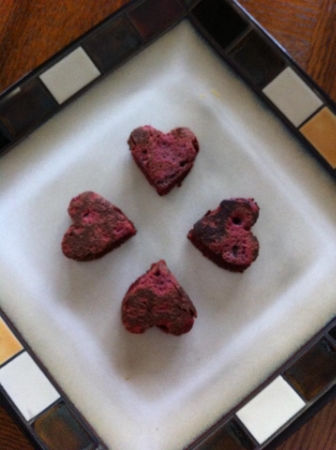
Beet Infused LOVE Pancakes!
Photo Courtesy Of Christina Smith, Parishville.
I am asked this question quite often:
"How do I get my kids to eat more vegetables and less junk?" (This topic pertains to anyone in need of more veggies, not just kids!)
The easy answer is this: "Serve them vegetables and do not bring junk into the home. They can only eat what is available to eat."
So I know you Moms are chuckling and maybe thinking... easy for you to say Paula, you don't live with my kids.
My kids ate every fruit or vegetable I gave them (Well, maybe not broccoli, but remember that cruciferous veggie taste is a strong one!) until a certain age. It was like veggie eating (not so much the fruits) almost stopped on a dime. It left me wondering what had happened to my happy to eat veggie kids. The funny phenomenon is this: when my oldest boy decided veggies did not tantalize his palate anymore, it was a license for my younger son to bag eating veggies too. "No way Mom, Jake doesn't touch them and I am not either."
What IS a Mom to do?
I say: Sneak feed your kids more nasty (their word) vegetables!

Photo Courtesy Of Christina & Brycen Smith, Parishville.
- Puree cooked beets in the blender with the milk, eggs, and butter for the pancake batter. Pour into mixing bowl and finish making your pancake batter.
- Use cooked squash, sweet potatoes, carrots, etc. in the same manner. I do confess... broccoli in pancakes is not a winning combination with kids! Remember to add spices to these beautifully colored pancakes: cinnamon, cardamom, nutmeg, ginger, star anise... perhaps a dash or two of vanilla!
- I used to add spinach to pancakes and called them "Shrek" pancakes. They loved it and gobbled them up. At the time, they loved the Shrek movies. When they finally figured out my scam... I was not popular in the kitchen for a bit of time. It did work for a couple of years so I was grateful for the added veggies.
- Chocolate milk for my kids was this: raw goat's milk, cocoa powder, 1/2 ripe banana, vanilla extract, and cooked squash. Use enough squash to add sweetness but not so much that the end product is thick like a milk shake... unless, of course, you want to pass it off as a milk shake. For years my kids had no clue a milk shake actually contained ice cream!
- Add cooked beet to a berry smoothie, not so much that it overwhelms the berry taste. Beets are very earthy in taste.
- For more information on beet's blessing to your kid's and your body's health, click here and scroll down to read beet information: http://www.paulayoumellrn.com/blog/2013/01/26/the-beet-goes-on
- Puree a bit of cooked squash into pasta sauce.
- Chicken or other bone broth? Puree veggies into the broth. Use just enough veggies to add vegetables to the broth and your meal but not enough to turn the broth into stew. Bone broth video added below.

Fun shapes always amused my kids into eating veggie infused pancakes.
Photo Courtesy Of Christina Smith, Parishville.
For more fun ideas of how to add veggies to your life, click here.