
Slow Health Education, Slow Healing
In 1986, The Slow Food Movement Began In Italy. This Was A Movement To Reclaim Cultural Food, The Art And Healing Benefits Of In-Home Cooking, And The Sustainable Farming Of Whole, Real Food Grown Locally. This Was A Grassroots Effort, That Is Now Globally Strong, To Reclaim Food From The Corporate Strangle Hold.
It is time to put this same grassroots action into our health care system.
Health care in this country, right now, is really just about disease management: how can the medical system suppress your ill health symptoms just enough to keep you functioning and somewhat happy.
Our current health care is not about actually restoring true vibrant health OR about true prevention of illness.
True prevention would teach you proper healthy care of the body, the real way to nourish the body with food, and actually prevent you from succumbing to degenerative lifestyle diseases.

In 1986, the Slow Food Movement began in Italy. This was a movement to reclaim cultural food, the art and healing benefits of in-home cooking, and the sustainable farming of whole, real food grown locally. This was a grassroots effort, that is now globally strong, to reclaim food from the corporate strangle hold.
It is time to put this same grassroots action into our health care system.
Health care in this country, right now, is really just about disease management: how can the medical system suppress your ill health symptoms just enough to keep you functioning and somewhat happy.
Our current health care is not about actually restoring true vibrant health OR about true prevention of illness.
True prevention would teach you proper healthy care of the body, the real way to nourish the body with food, and actually prevent you from succumbing to degenerative lifestyle diseases.
Slow Health, Slow Healing is what I am about.
Slow Health, Slow Healing is what Sacred Circle Wise Women Mentorship™ is about.
People have become accustomed to instant gratification with their health.
For example, if one goes to their primary care with high blood pressure issues, they are given a prescription medication and within a few days their blood pressure reading is "normal" again. (I use this example because it is an easy one to think about, a very common problem in our culture, easy to visualize the blood pressure cuff and reading procedure, and thoughtfully consider the situation and apply its concept to other health issues.)
No effort outside of filling the prescription and popping the pill daily.
The question is: has any healing change been made, in the person's lifestyle choices, to change what actually created the downward spiral of personal health leading to the high blood pressure?
Everything seems fine, the numbers reading on the sphygmomanometer are within normal range again.
Here is where the problem lies: if zero lifestyle changes have been made, the lifestyle habits that created the high blood pressure (body damage symptoms), then the damage to the body is still happening.
The pretty number on the sphygmomanometer just hides the fact that nothing has really changed. A band-aid has been slapped on the problem. The problem will eventually lead to more problems unless change is made.
This story line can be used with any ill health symptoms and our "health care system's" business of just managing symptoms / controlling symptoms with artificial means.
I support people's health around many, many of these lifestyle related health issues: (yes, working in cooperation with one's primary care practitioner IS ideal)
high blood pressure and cholesterol issues
cardio-vascular disease
overweight and underweight
thyroid health
auto-immunity
gut health
anxiety, depression, and mood issues
on & on
In the first couple of weeks of making lifestyle changes, a person's ill health symptoms can transform quickly.
A good habit, I tell my clients, is to write down exactly how you were feeling (in body, mind, & spirit) before you start making changes.
Then you can go back and put yourself back into this ill health feeling in 2 weeks, 2 months, 6 months, a year later.
Never stop reminding yourself how far you have come, how much positive change you have made, and the impact it has had on how you function, feel, and interact with yourself and others.
After lifestyle transformation, if we could step back into ourselves to exactly one year ago and have this HUGE "Ah Ha Moment", we would
bow in gratitude to the work we have done with & for ourselves
say a deep prayer to all of the powers that have held us together to accomplish what we have accomplished
vow to only continue stepping forwards in the Slow Health & Healing process
I suggest you do this self evaluation, look back on my progress, journal keeping. Not daily, don’t stress yourself, but just often enough that you see the milestones of recovery AND can look back on how bad things once were. That is such a beautiful reminder to keep moving forward!
Slow Health Education & Slow Healing is what we do in Sacred Circle to Transform your health.
Fall and the Earth Element (The Physical Body's Health) is the perfect place to start on this Sacred Circle Year Health Coaching Experience. Fall, and back to school, has always signaled a new start, transformation for me.
Each Slow Health Education Session is 5 simple weeks long. Join one, to see how you like it, maybe you will be in love with learning how to slow heal yourself and then you will keep coming back for each 5 week session and another Element of Learning.
Mentorship is open to anyone & everyone who wants to learn to slow self heal their health back to vibrancy.

Embracing Sausage & Hot Dogs
Hot dogs and sausages are foods we are often told to avoid. The scraps of meat, organs, and fat of animals are ground, spiced, and formed into sausages and dogs.
But what if we looked at these meat options from a different perspective?
Traditionally, people used all of the animal:
muscle meat
organs (eaten whole or ground into sausage)
make bone broth for soup and then grind the bones into powder to fertilize the fields
use the hides for tanning leather, etc.


Hot dogs and sausages are foods we are often told to avoid. The scraps of meat, organs, and fat of animals are ground, spiced, and formed into sausages and dogs.
But what if we looked at these meat options from a different perspective?
Traditionally, people used all of the animal:
muscle meat
organs (eaten whole or ground into sausage)
make bone broth for soup and then grind the bones into powder to fertilize the fields
use the hides for tanning leather, etc.
Why are we grossed out by the thought of eating the organ, as the whole organ, or ground into sausage meat? The nutrients needed to form these organs are exactly what you get when you eat them. For example: eating heart nourishes your heart.
The key to embracing ground up meats, hot dogs and sausages of many kinds, is to embrace products made from animals that are organically and pasture raised. This means the animals are
allowed to eat their natural diet,
supplemented with organic feed only and preferable of their natural food preferences,
not given hormones, steroids, and/or antibiotics, and
the final meat products are an all natural preparation meaning no fake stuff in the actual meat products you will eat (preservatives, stabilizers, artificial colors & flavors, etc.)
Ask your local Coop, natural food store, and supermarkets to stock food fit to eat.
Find your local farmers who raise animals on pasture, animals who roam freely and happily in their grassy, wild plant fields. Tlhe link back there, and this one, will connect you to our local food guide published yearly by Gardenshare.
Eating local food:
is more nourishing to your body cells and to the Earth, less miles to your plate and food maintains freshness and nutrients
saves petro chemicals to move food about the Earth, the more miles your food is trucked… the more gas / diesel that is sucked up and burned
supports local farm families and this is HUGE for local food security
local farm families put that money back into their farm and your local community
you create a community of farm happy people: both the farmers and the other farm customers
gives you better control of the choice of best farming practices, your vote by purchasing local-organic-pasture raised food encourages more farmers to transition to Earth friendly & sustainable farming practices
brainstorm on more ideas of why local farm products are better for you, the farmers, local communities, and the Earth
What we feed ourselves creates or destroys health. What we feed animals creates or destroys their health.
When we eat animal products that come from healthy animals, our body’s health is nourished.
When we eat products that come from unhealthy animals, our body’s health is degenerated.

Finding Nourishing Balance for Self & Our Earth

I have been asked, many times by many people, to write a blog post on the best style of eating... the best eating habits: vegan, vegetarian, paleo, omnivore, etc. etc.
I have avoided this topic as too many people get all caught up emotionally in their food choices, thinking they have all of the answers and the rest of us are failing miserably. Trust me there is no judgement here. I understand this high horse mentality as I traveled this path when I was younger, less wise with years and experience in how our eating habits affect our health and the planetary health and how those choices impact all other beings who reside upon her beautiful surface for the next Seven Generations.
I will preface this with this is my experience, from the space I am in right now in Fall 2019. I have learned to study life and choices from a space of common sense. I attempt filter out all of the food fads and food fashion hoopla that is constantly changing in the media.
Eat 100% meat to cure cancer.
Eat 100% plant foods to cure cancer.
Avoid all foods with lectins or learn to transform them before you eat them.
Ferment everything.
Grain Free.
FODMAP is the way to go and cure everything.
Paleo is hip & a cure all.
Blah, Blah, Blah.
Please feel free to post comments, questions, etc. at the bottom of this post. I only ask that your energy to be in a space of respect for all others and come from a deep, loving kindness and common sense. Otherwise, I will delete your comments and questions.
So... my answer to the best style of eating: eat what grows in your own backyard.


100 or more years ago, this would be literal. As a planetary culture, most of us still ate what we grew in our back yards sharing with our fellow humans in urban areas. Farms, just outside of cities, supplied food to the inner city. We shared the food we grew with the people and families who lived around us. Family & friends shared with us the things we did not grow or raise ourselves. My Gram used to tell me about the food they grew (yeah, seems I have always been fascinated by food, eating habits, food's impact on health & the environment, etc.)
big garden of veggies
many varieties of berries and fruit trees
chickens
meat animals
a cow, goat, or sheep for milk (I have been told the sheep are harder to milk)
picking wild berries
gathering wild plants
My Grandfather had two brothers and their families living close by who raised other foods: pork, different veggies & fruits, etc. They shared each family farm’s bounty. Each family had much to choose from over the seasonal changes of living and eating.
This literal backyard eating habit has expanded outwards a bit. Most people do not live in a grow all your own food situation anymore. But, when we get as much food as we can, from a close radius about our home area, we save the environmental impact of moving food about the globe.

Am I am advocate of one "style" of eating be it omnivore, vegetarian, vegan, pescatarian, raw foodist, etc. etc. etc.?
No. In fact I incorporate all these kinds of meals depending on my mood, what my body craves, the seasonal foods available, etc.
If I have an abundance of Martin's strawberries, breakfast may be a big pile of those strawberries and nothing else. How much more vegan and raw foodist can you get than that? Would I eat like this every meal? No way... I would miss cooked food; goat's milk, cheese, & yogurt; meat; eggs, etc. Would I eat just a slab of steak each meal? Nah, probably not.
Keep in mind that all the hot on the market vegan food products floating about the globe are far from environmentally or animal friendly (non-violent).
Every time a piece of the wild prairie gets plowed up to grow grains and soybeans (for tofu, fake cheeses, etc.) many, many animals are killed in the wake of the plow machinery. Next, the machinery used to “cultivate” weeds and harvest crops leaves behind their own death toll. The resultant mono-crop fields no longer nourish a rich biodiversity of plants, bugs, microbes, birds, animals, reptiles, or amphibians. These beings can no longer survive in the mono-crop agriculture.
This mono-cropping happens all over the globe to grow nuts for nut milks and coconut to fuel the demand for coconut everything. Yes, the tropical rainforests are wiped out to mono-crop almonds, coconuts, sugar cane… not just rainforest beef.
No matter our food choices, beings die to keep us nourished. The carrot or apple must die to feed us.
Let’s also think of the environmental impact of moving the grains - soybeans - nuts, grown in these mono-cropped fields, all over the Earth. These crops must be moved hundreds and thousands of miles to the factories that are going to turn them into plant based food products (non dairy cheeses, non meat meats, dairy free milks, etc.)
Add in the harvesting and moving of the raw materials to make the packaging for these environmentally friendly "manufactured" foods. Petrochemical plastics, trees for paper, pasteboard, and cardboard packaging, etc.
Next, add in moving the finished products, in their case boxes and pallets (wood from trees), all over Our Earth.
The equation is not so simple anymore.
Would it be easier, on Our Earth, to partner with local farmers who grow and raise food sustainably / biodynamically in a bio-diverse manner (no monocrops). The resultant miles the food has to travel to my kitchen and plate is minimal. I can show up with my reusable cloth bags, avoid plastic wrap and cardboard boxes, and carry my local food choices home.
I realize there is not one easy answer that completely reduces all of our impact on our Home, the Earth. Doing our best, in every action, to serve the Next Seven Generations is a gift we give to all.
Do I have all the answers? Nope, but I look, tink, learn, and try and use my common sense in daily choices and actions.


Rooting Around In The Earth
The Earth, Herself and the soil we walk around upon, is loaded with microbes. It is the way of Nature. Our bodies have more microbial cells than human cells (The human body contains trillions of microorganisms — outnumbering human cells by 10 to 1.) Modern Human’s obsession with destroying every microbial organism is creating imbalances in our bodies and health, in all living beings, and in the general health of the entire planet.

The Earth, Herself and the soil we walk around upon, is loaded with microbes. It is the way of Nature. Our bodies have more microbial cells than human cells (The human body contains trillions of microorganisms — outnumbering human cells by 10 to 1.) Modern Human’s obsession with destroying every microbial organism is creating imbalances in our bodies and health, in all living beings, and in the general health of the entire planet.
In college for my RN degree, we learned the germ theory of disease. This germ theory (remember it is a theory not a fact) states that microorganisms, bacteria, virus and fungi, are the cause of most diseases. It is the cornerstone of modern medicine and treatment of diseases.
As soon as I finished nursing school, I began (honestly, continued) my training / learning in Natural Medicine-Natural Health. In my mid 20’s, I read a book by a talented and wise herbalist, James Green, called The Male Herbal: The Definitive Health Care Book for Men and Boys. James Green introduced me to a theory called Terrain Theory. This theory stated that germs cannot invade the body if the body is healthy. So when the terrain, the soil of our bodies - our flesh, is unhealthy, we are wide open and susceptible to inviting in micro-organisms that are not a natural part of our body’s terrain. Obviously, this will cause upset in the body’s health.
Think yeast overgrowth in the vagina. Yeast is normal there, in the vagina, but when the body is unhealthy, BAM, prime opportunity for the yeast to overgrow /over populate the vagina and you now have an irritating problem.

A light bulb went on in my head. This made so much more sense to me than the mindset that we are walking around constantly at war with every microbe we cross paths with.
Let go of the trauma of the 1950s people. Everything does not have to be heat, hot water, and/or chemical sterilized to death. Learn to live in harmony with microbes because when you kill them off with antimicrobials - antibiotics, you are killing the beneficial as well as the not so beneficial microbes.
Living in harmony with microbes means taking care of our body as Nature intended. See this link on Lifestyle Choices. Your natural living habits are your amazing Lifestyle Medicine habits that keep your terrain nourished and healthy.

Eat Dirt: pull an organic carrot from the soil, wipe off obvious Soil (Dirt as W. B. Logan calls this Ecstatic Skin) , eat the carrot & be grateful for the Soil Microbes you are not paying 50 bucks for in encapsulated form out of a supplement bottle.
100% Whole Food Eating: food are the Sacred substances that nourish your every body cell
Stop using antimicrobial hand sanitizers
Stop using chemical and antibiotic antimicrobial cleansers in your home (see image below)
Eat organic food
Avoid all chemical in home, yard, garden, garage, etc.
Live from a space of Nature because you are Nature.
Our Gut Microbial Health (digestive tract) is of top notch importance in the development, or not, of
auto-immune conditions
mood disorders: think anxiety & depression
small intestinal and colon ill health issues
The list goes on & on…
Upcoming classes at Five Elements Living to create Healthy Gut Microbial Lifestyle Habits: https://www.paulayoumellrn.com/the-science-of-functional-medicine-classes
Live a Whole Health Lifestyle for Your Well Being


Common Sense Vegucation
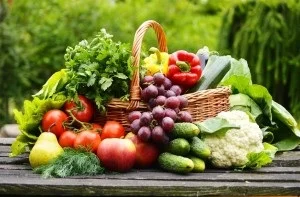
Grow, Buy, & Eat organic veggies
Non-GMO a must. Look into heritage varieties.
Gently cook so veggies still have vibrant color and crisp texture. Yes, gone are the days of mushy, washed out colored veggies.
Grow your own? Keep your soil organically, bio-dynamically healthy. Skip the Miracle Gro® and other non-whole gardening additives. Whole foods & whole food vitamins feed your body’s “soil” best. Only feed the Earth’s soil with whole fertilizers, compost, etc.
Pull a carrot. Wipe the obvious dirt off. Eat without washing if your soil is chemical free / toxin free. Soil microbes (think probiotics) are in the soil.
Vibrant Soil = Vibrant Food = Vibrant Body Cells = Vibrant Whole Health
Prep veggies just before you are going to eat them or cook them. This preserves nutrients.
Steaming or light simmering veggies (remember, NO mush)? Use as little water as possible to retain nutrients in the food. Drain the cooking / steaming water into a mug, let cool, & drink. No more pouring nutrients down the drain. Don’t want to drink it? Save it for your house plant watering. Their soil needs nutrition too.
Grow, Buy, & Eat Organic Veggies
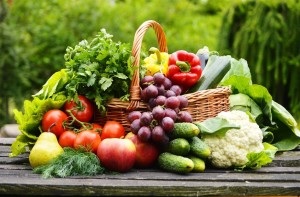
Non-GMO is a must. Look into heritage varieties. GMO foods are hard on the precious and very important gut lining & gut microbiome. Protect yours.
Gently cook your veggies so vibrant color and a crisp texture remains for your eating pleasure and cell nourishment. Yes, gone are the days of mushy, washed out colored veggies.
Grow your own? Keep your soil organically, bio-dynamically healthy. Skip the Miracle Gro® and other non-whole food gardening additives. Yes, your soil needs to be lovingly cared for with a whole food mentality. Whole foods & whole food vitamins feed your body’s “soil” best. Only feed the Earth’s soil with whole fertilizers, compost, etc.
Pull a carrot. Wipe the obvious dirt off. Eat without water washing & scrubbing if your soil is chemical free / toxin free. Soil microbes (think probiotics) are in the soil. If your soil is not chemical free, see suggestion directly above. ^^
Vibrant Soil = Vibrant Food = Vibrant Body Cells = Vibrant Whole Health
Prep veggies just before you are going to eat them or cook them. This preserves nutrients. When we cut into veggies, it creates open surface area that will begin oxidation and loss of water soluble vitamins. You want the most vibrant, nutrient dense food going into your body to make those cells squeal with delight.
If you are steaming or light simmering veggies (remember, NO mush)? Use as little water as possible to retain nutrients in the food. Drain the cooking / steaming water into a mug, let coking water cool, & then drink. No more pouring nutrients down the drain. Don’t want to drink it? Save it for your house plant watering. Their soil needs nutrition too.

Suggestions for Adding Veggies to Your Life In Ways You Can Love Them
1. Be adventurous, try new vegetables you have never cooked or tasted before. There are so many more than the tried and true potatoes, carrots, lettuce, and broccoli. Remember: cucumbers, peppers, and tomatoes are really fruit.
2. Find local farm stands, farm markets, and farmers who grow food sustainably. The food will be far more nutritious and you will be eating local, seasonal produce; not food shipped from thousands of miles away. Produce loses its nutritional value and vitality the longer it takes to travel to your plate.
3. Grow your own, even a small raised box or potted vegetables, to enjoy food fresh from the plant. Plant some berry bushes or maybe a fruit tree or two.
4. Make the commitment to eat at least 2 to 3 servings per meal and snack on vegetables and fruit when you need a between meal lift.
5. Make your plate mostly vegetables with high-quality, locally raised, grass-fed protein as the smaller portion on your plate. Add beans instead of the animal protein for another plant and fiber boost to your diet.
6. Add shredded carrots, beets, parsnips to your whole food baked goodies. A beet cake is a fun alternative to the well-loved carrot cake.
7. Add beets, carrots, squash, and parsnips to pancakes and waffle batter. I even add spinach, kale, collards, etc. to my kids’ pancakes. They used to call these “green” breakfast pancakes Shrek pancakes.
8. Make scrambled, poached, or fried eggs, beans and greens for breakfast. Get your eggs locally from a farmer who lets the chickens feed naturally.
9. Make omelets with lots of vegetables, different than the typical ones put in omelets. Be creative and adventurous. Add fresh herbs just before you fold it and shut off the heat. This prevents overcooking delicate herbs.
10. Make a breakfast burrito with scrambled eggs, from naturally raised chickens, and/or refried beans. Add plenty of vegetables and herbs and roll into a sprouted grain tortilla or a 100% whole grain tortilla. Buy organic so you can avoid genetically modified organisms, GMO’s*. Also, try rolling the burrito fillings into large leaves of kale, collard, or Swiss chard and really up the veggie intake.
11. Make vegetable curries for dinner and use the leftovers for lunch or breakfast. Curried vegetables and beans, eggs, or meat are yummy for any meal. Think past the typical refined grain breakfasts that most Americans eat: processed cereals and milk, doughnuts and coffee, or toast and juice. Start putting real food and vegetables into every meal.
12. Add hardy greens to soups, stews, stir fries: kale, collards, Swiss chard, dandelion greens, beet greens, spinach, arugula, mustard greens, endive, and escarole. Cut them into small, fine strips to make them more palatable if you are new to eating greens.
13. Make fruit smoothies for breakfast or snacks. If you avoid dairy, see my recipe on how to make fresh nut and seed milk. Making your own nut and seed milk avoids the packaged, processed, non-dairy milk. Remember to “chew” your smoothies.
14. Buy large carrots and make your own carrot sticks. Avoid packaged baby carrots. Most commercially packaged baby carrots are actually large carrots that were less than desirable (rotting), carved into baby carrot shapes and soaked in chemicals to kill microorganisms. This is not a healthy option
15. Make “sticks” out of any root veggie that appeals to you, eat them plain, dip into hummus or other whole food spread or dip. Root vegetables: parsnips, celeriac, turnips, daikon radish, rutabaga, carrots and beets.
16. Snack on red pepper halves filled with hummus, yummy! Or fill them with fresh herbed cottage cheese or herbed egg salad. Use your imagination.
17. Make fruit salads with local, seasonal fruits.
18. Add new vegetables to your raw, green salads that you have never tried in a raw salad. Try anything.
19. Skip desserts and eat fresh, local, seasonal fruit. Off season? Try local fruit you froze or canned. Try organic frozen fruits.
20. Make homemade pizza with whole grain crust and load it up with vegetables. Eat with a salad greens and veggie salad or a shredded root veggie and cabbage salad. Have that fruit salad for dessert.
21. In the fall and winter, bake quantities of squash, sweet potatoes, or yams and keep the extra for quick meals and snacks.
22. Add extra squash and sweet potatoes to pancake and waffle batter.
23. Extra squash is also yummy added to “egg nog” smoothies. I even add cooked beets to get vegetables into my kids.
24. Avoid ready-to-eat packaged vegetables and fruits. Sure they are convenient but once produce is cut up it loses nutrients and starts to decompose faster. Most pre-cut fruits and vegetables are wet. Wet sealed bags are an easy place for mold to grow.
25. Skip the “greens” in a salad and make a salad out of all kinds of raw chopped vegetables, grated root vegetables, and shredded cabbages. Mix it up and use simple oil and vinegar dressing.
26. Grill veggie chunks on kebabs. Add pineapple chunks for extra flavor.
27. Roast vegetables in the oven for fall and winter warming dishes. Try tourlou, a Greek roasted veggie delight.
28. Make big pots of soups and stews and eat all week. Think lots of vegetables.
29. At restaurants: skip the bread (it is refined flour anyhow) and ask for extra vegetables in your salad and as a side dish. Order pasta dishes without the pasta and have the chef put the pasta sauce on a pile of steamed vegetables instead. You avoid the refined flour pasta and get the benefits of vegetables. Skip any flour- based food when you are out and about (crackers, noodles, pasta, bread, desserts, white rice) and opt for extra vegetables instead.
30. Skip the factory-farmed meat at fast food restaurants (skip the fast food altogether, but if you find yourself with no other option…) eat a salad and baked potato with beans and salsa. Hopefully there is a salad bar with beans to add some digestive “staying” power to the vegetables. Protein and fat, balance out the meal, creating greater and longer satisfaction between meals.
31. Use whole grain quinoa, millet, amaranth, teff, or brown rice to make a “pasta” salad. You will be skipping the actual packaged pasta and using the whole grains instead. Then add far more vegetables to your whole grains than most people do to the average summertime pasta salads.
32. Grate up all kinds of veggies and use instead of pasta. Quick stir fry grated zucchini or yellow squash and use as pasta. Use an actual spaghetti squash instead of pasta.
Final thoughts:
Fruits are generally easy for people to add into their diet, vegetables are where people can get stuck. Avoid Shopper’s Rut (using the ame produce week in & week out).
Fruits and vegetables make for good cell replication - healthy cell biology.
Every step towards healthy, whole food eating creates positive changes in the health of your cells and your whole body.
* GMOs are genetically modified organisms, in this case genetically modified foods. These are foods that have had their genetics manipulated in laboratories; they have had extra genes spliced into their genetic material. Examples are tomatoes with salmon genes spliced into them, supposedly to make the tomato more cold hardy. While this may make sense on some level to some people; did nature intend for tomatoes to have salmon genes? I think not. I will go with nature’s plan. She seems to know what she is doing.

Sink into the Rhythms of Nature with Sacred Circle Yoga™ Mentorship

My Best Gluten Free - Grain Free Bread Yet!

UPDATED 9/28/22
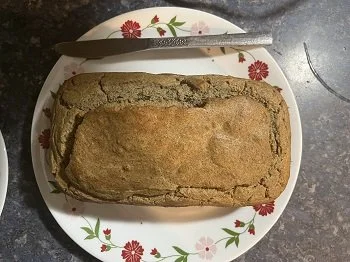
Why was this particular loaf so much better? I have made several varieties of the gluten free, 100% whole food flour, bread from various websites. One was too eggy. It had 6 eggs per one loaf of bread. It was more like eating some sort of weird loaf of quiche. Others were too moist and dense. This one I remedied by cutting the eggs to 4, adding lots of extra butter, and using milk.
The top is nice and brown crispy. And it is not doughy in texture. I had a slice warm from the oven and literally slathered in slices of butter. Delicious!
Ingredients
2/3 cup organic buckwheat flour
2/3 cup organic quinoa flour
2/3 cup organic millet flour
2 Tbsp coconut flour
1 rounded teaspoon baking soda
1 rounded tsp baking powder
1/3 cup + a little extra organic Pasture Butter, I am very generous with the butter, and I gently melt it before adding to the batter
1 TBSP apple cider vinegar
2 TBSP local maple syrup
4 local & organic eggs
3/4 cup local, organic Goat’s milk
½ teaspoon unrefined pink Himalayan salt


Vinegar, Milk, Salt, & Eggs
Melt the butter
Beat the eggs
Mix in melted butter, milk, & maple syrup
Mix dry ingredients together
Add dry to wet & mix well
You will have more of a thick bread batter than a traditional yeasted bread dough
Pour into a well buttered bread pan ( I use 8 1/2 L X 4 3/4 W X 2 3/4 D )
Bake at 350F for 55 minutes or so until top is crispy brown & loaf pulls away from the bread pan sides
Let cool for 10 minutes and then remove to a plate. Allow to finish cooling.
Slice & use for your favorite sandwiches, toast for a buttery delight, add jam, melt cheese on, spread with hummus / peanut butter / Nuttzo butter… whatever pleases you! Bologna from well raised pigs?? I no longer have a source for such childhood comfort foods. Bummer.

Goat’s Milk Butter

I have one frozen package of Piggery Bologna left… the business has been closed for over a year. I will miss this pasture raised pork bologna when I finally decide to break it out of the freezer and indulge.