
Embracing Sausage & Hot Dogs
Hot dogs and sausages are foods we are often told to avoid. The scraps of meat, organs, and fat of animals are ground, spiced, and formed into sausages and dogs.
But what if we looked at these meat options from a different perspective?
Traditionally, people used all of the animal:
muscle meat
organs (eaten whole or ground into sausage)
make bone broth for soup and then grind the bones into powder to fertilize the fields
use the hides for tanning leather, etc.


Hot dogs and sausages are foods we are often told to avoid. The scraps of meat, organs, and fat of animals are ground, spiced, and formed into sausages and dogs.
But what if we looked at these meat options from a different perspective?
Traditionally, people used all of the animal:
muscle meat
organs (eaten whole or ground into sausage)
make bone broth for soup and then grind the bones into powder to fertilize the fields
use the hides for tanning leather, etc.
Why are we grossed out by the thought of eating the organ, as the whole organ, or ground into sausage meat? The nutrients needed to form these organs are exactly what you get when you eat them. For example: eating heart nourishes your heart.
The key to embracing ground up meats, hot dogs and sausages of many kinds, is to embrace products made from animals that are organically and pasture raised. This means the animals are
allowed to eat their natural diet,
supplemented with organic feed only and preferable of their natural food preferences,
not given hormones, steroids, and/or antibiotics, and
the final meat products are an all natural preparation meaning no fake stuff in the actual meat products you will eat (preservatives, stabilizers, artificial colors & flavors, etc.)
Ask your local Coop, natural food store, and supermarkets to stock food fit to eat.
Find your local farmers who raise animals on pasture, animals who roam freely and happily in their grassy, wild plant fields. Tlhe link back there, and this one, will connect you to our local food guide published yearly by Gardenshare.
Eating local food:
is more nourishing to your body cells and to the Earth, less miles to your plate and food maintains freshness and nutrients
saves petro chemicals to move food about the Earth, the more miles your food is trucked… the more gas / diesel that is sucked up and burned
supports local farm families and this is HUGE for local food security
local farm families put that money back into their farm and your local community
you create a community of farm happy people: both the farmers and the other farm customers
gives you better control of the choice of best farming practices, your vote by purchasing local-organic-pasture raised food encourages more farmers to transition to Earth friendly & sustainable farming practices
brainstorm on more ideas of why local farm products are better for you, the farmers, local communities, and the Earth
What we feed ourselves creates or destroys health. What we feed animals creates or destroys their health.
When we eat animal products that come from healthy animals, our body’s health is nourished.
When we eat products that come from unhealthy animals, our body’s health is degenerated.


Drugs do not heal. Lifestyle changes do.
Self Healing has been an important part of who I am and what / how I live and teach since I was a very young adult. And, quite frankly, I intuitively knew this growing up. I was the kid asking Mom to buy me the "brown bread" not the fluffy white, Millbrook bread. Remember that stuff?!
Nursing school was a HUGE wake up call that what our system of medicine actually does is generally not about healing the body. Modern Western Medicine covers up a person's ill health symptoms with medications.

Self Healing has been an important part of who I am and what / how I live and teach since I was a very young adult. And, quite frankly, I intuitively knew this growing up. I was the kid asking Mom to buy me the "brown bread" not the fluffy white, Millbrook bread. Remember that stuff?!

Nursing school was a HUGE wake up call that what our system of medicine actually does is generally not about healing the body. Modern Western Medicine covers up a person's ill health symptoms with medications.
Let me explain briefly & simply, using blood pressure medication as an example. When a person takes blood pressure medication, and there are many types using different mechanisms in the body, the medication makes the numbers on the blood pressure cuff or machine go down. All looks well. Life goes on as per usual. But, if nothing is done to change what actually contributed to the high blood pressure developing:
unhealthy food choices over years of living
stress
excess body weight
sedentary lifestyle
lack of contact with the Natural World, remember You ARE Nature…
then the damage that these above lifestyle habits wreck on the body are still happening. Yes, the medication may make your blood pressure look as if it has changed, and the numbers have changed, but what you do in your daily life that causes bodily harm and damage, down to each and every body cell, is still happening.

If you want to heal your high blood pressure or other health symptoms, issues, and diagnoses (and there is a *never ending list of lifestyle diagnoses)… You have to change your life.
Now let me explain another point: Western Medications have had very life saving impacts in many, many instances over the years & decades. Yes, Western Medicine is less than 100 years old. Natural Medicine - Herbs & Naturopathy - are thousands of years old. Let that thought sink in for a bit.
Western Medicine is amazing Emergency & Trauma Medicine. When there is an acute, gonna die right now or a trauma issue (think broken bones), Western Medicine can & does save lives and limbs. Using medications and medical skills for life saving moments is a VERY beautiful thing.
If you want to invoke real healing right down to the cellular level… this takes Lifestyle Medicine, Natural Medicine: changing the way you eat, live, and function in this world.

When You live and function as Nature intended, You will blossom with Vibrant Health & Longevity as Nature intended.
It IS that simple. Drugs, taken over the long haul, cannot heal your body.
Your body heals itself. That is what Nature does and You ARE Nature.
No one has deficiencies of chemical drugs. Illnesses are not caused by deficiencies of these drugs.
Change Your Lifestyle & Change the Way You Live.
Because Food DOES Matter in How Your Body:
Feels,
Functions,
Self Heals, &
Ages.
Free Natural Health-Lifestyle Medicine Information: Yes, click that blue link and change your life, heal yourself, make your life a better place to be!
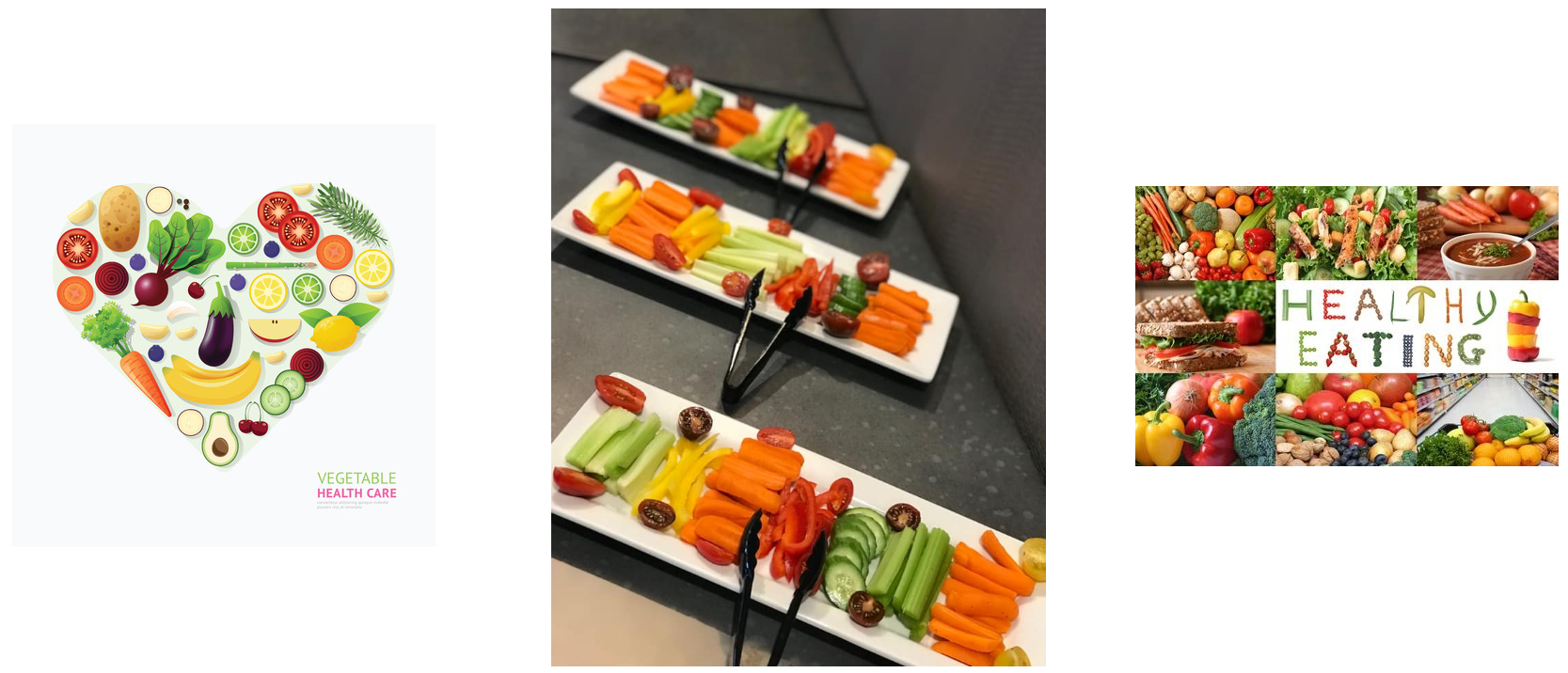
*Just some of the diagnoses in the *never-ending list of diseases contributed to by one’s lifestyle habits:
high blood pressure
type 2 diabetes & obesity
anxiety
depression
ADD / ADHD
atherosclerosis, heart disease, and stroke
Wikipedia’s Lifestyle Disease Page:
Lifestyle diseases are defined as diseases linked with the way people live their life. This is commonly caused by alcohol, drug and smoking abuse as well as lack of physical activity and unhealthy eating. Diseases that impact on our lifestyle are heart disease, stroke, obesity and type II diabetes.[1] The diseases that appear to increase in frequency as countries become more industrialized and people live longer can include Alzheimer's disease, arthritis, atherosclerosis, asthma, cancer, chronic liver disease or cirrhosis, chronic obstructive pulmonary disease, type 2 diabetes, heart disease, metabolic syndrome, chronic renal failure, osteoporosis, stroke, depression, obesity and vascular dementia. In the UK the death rate is four times higher from respiratory disease caused by an unhealthy lifestyle.[2]
Some commenters maintain a distinction between diseases of longevity and diseases of civilization or diseases of affluence.[3] Certain diseases, such as diabetes, dental caries and asthma, appear at greater rates in young populations living in the "western" way; their increased incidence is not related to age, so the terms cannot accurately be used interchangeably for all diseases.[4]

Common Sense Vegucation
Grow, Buy, & Eat organic veggies
Non-GMO a must. Look into heritage varieties.
Gently cook so veggies still have vibrant color and crisp texture. Yes, gone are the days of mushy, washed out colored veggies.
Grow your own? Keep your soil organically, bio-dynamically healthy. Skip the Miracle Gro® and other non-whole gardening additives. Whole foods & whole food vitamins feed your body’s “soil” best. Only feed the Earth’s soil with whole fertilizers, compost, etc.
Pull a carrot. Wipe the obvious dirt off. Eat without washing if your soil is chemical free / toxin free. Soil microbes (think probiotics) are in the soil.
Vibrant Soil = Vibrant Food = Vibrant Body Cells = Vibrant Whole Health
Prep veggies just before you are going to eat them or cook them. This preserves nutrients.
Steaming or light simmering veggies (remember, NO mush)? Use as little water as possible to retain nutrients in the food. Drain the cooking / steaming water into a mug, let cool, & drink. No more pouring nutrients down the drain. Don’t want to drink it? Save it for your house plant watering. Their soil needs nutrition too.
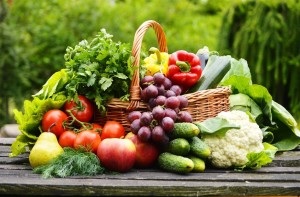
Grow, Buy, & Eat Organic Veggies
Non-GMO is a must. Look into heritage varieties. GMO foods are hard on the precious and very important gut lining & gut microbiome. Protect yours.
Gently cook your veggies so vibrant color and a crisp texture remains for your eating pleasure and cell nourishment. Yes, gone are the days of mushy, washed out colored veggies.
Grow your own? Keep your soil organically, bio-dynamically healthy. Skip the Miracle Gro® and other non-whole food gardening additives. Yes, your soil needs to be lovingly cared for with a whole food mentality. Whole foods & whole food vitamins feed your body’s “soil” best. Only feed the Earth’s soil with whole fertilizers, compost, etc.
Pull a carrot. Wipe the obvious dirt off. Eat without water washing & scrubbing if your soil is chemical free / toxin free. Soil microbes (think probiotics) are in the soil. If your soil is not chemical free, see suggestion directly above. ^^
Vibrant Soil = Vibrant Food = Vibrant Body Cells = Vibrant Whole Health
Prep veggies just before you are going to eat them or cook them. This preserves nutrients. When we cut into veggies, it creates open surface area that will begin oxidation and loss of water soluble vitamins. You want the most vibrant, nutrient dense food going into your body to make those cells squeal with delight.
If you are steaming or light simmering veggies (remember, NO mush)? Use as little water as possible to retain nutrients in the food. Drain the cooking / steaming water into a mug, let coking water cool, & then drink. No more pouring nutrients down the drain. Don’t want to drink it? Save it for your house plant watering. Their soil needs nutrition too.

Suggestions for Adding Veggies to Your Life In Ways You Can Love Them
1. Be adventurous, try new vegetables you have never cooked or tasted before. There are so many more than the tried and true potatoes, carrots, lettuce, and broccoli. Remember: cucumbers, peppers, and tomatoes are really fruit.
2. Find local farm stands, farm markets, and farmers who grow food sustainably. The food will be far more nutritious and you will be eating local, seasonal produce; not food shipped from thousands of miles away. Produce loses its nutritional value and vitality the longer it takes to travel to your plate.
3. Grow your own, even a small raised box or potted vegetables, to enjoy food fresh from the plant. Plant some berry bushes or maybe a fruit tree or two.
4. Make the commitment to eat at least 2 to 3 servings per meal and snack on vegetables and fruit when you need a between meal lift.
5. Make your plate mostly vegetables with high-quality, locally raised, grass-fed protein as the smaller portion on your plate. Add beans instead of the animal protein for another plant and fiber boost to your diet.
6. Add shredded carrots, beets, parsnips to your whole food baked goodies. A beet cake is a fun alternative to the well-loved carrot cake.
7. Add beets, carrots, squash, and parsnips to pancakes and waffle batter. I even add spinach, kale, collards, etc. to my kids’ pancakes. They used to call these “green” breakfast pancakes Shrek pancakes.
8. Make scrambled, poached, or fried eggs, beans and greens for breakfast. Get your eggs locally from a farmer who lets the chickens feed naturally.
9. Make omelets with lots of vegetables, different than the typical ones put in omelets. Be creative and adventurous. Add fresh herbs just before you fold it and shut off the heat. This prevents overcooking delicate herbs.
10. Make a breakfast burrito with scrambled eggs, from naturally raised chickens, and/or refried beans. Add plenty of vegetables and herbs and roll into a sprouted grain tortilla or a 100% whole grain tortilla. Buy organic so you can avoid genetically modified organisms, GMO’s*. Also, try rolling the burrito fillings into large leaves of kale, collard, or Swiss chard and really up the veggie intake.
11. Make vegetable curries for dinner and use the leftovers for lunch or breakfast. Curried vegetables and beans, eggs, or meat are yummy for any meal. Think past the typical refined grain breakfasts that most Americans eat: processed cereals and milk, doughnuts and coffee, or toast and juice. Start putting real food and vegetables into every meal.
12. Add hardy greens to soups, stews, stir fries: kale, collards, Swiss chard, dandelion greens, beet greens, spinach, arugula, mustard greens, endive, and escarole. Cut them into small, fine strips to make them more palatable if you are new to eating greens.
13. Make fruit smoothies for breakfast or snacks. If you avoid dairy, see my recipe on how to make fresh nut and seed milk. Making your own nut and seed milk avoids the packaged, processed, non-dairy milk. Remember to “chew” your smoothies.
14. Buy large carrots and make your own carrot sticks. Avoid packaged baby carrots. Most commercially packaged baby carrots are actually large carrots that were less than desirable (rotting), carved into baby carrot shapes and soaked in chemicals to kill microorganisms. This is not a healthy option
15. Make “sticks” out of any root veggie that appeals to you, eat them plain, dip into hummus or other whole food spread or dip. Root vegetables: parsnips, celeriac, turnips, daikon radish, rutabaga, carrots and beets.
16. Snack on red pepper halves filled with hummus, yummy! Or fill them with fresh herbed cottage cheese or herbed egg salad. Use your imagination.
17. Make fruit salads with local, seasonal fruits.
18. Add new vegetables to your raw, green salads that you have never tried in a raw salad. Try anything.
19. Skip desserts and eat fresh, local, seasonal fruit. Off season? Try local fruit you froze or canned. Try organic frozen fruits.
20. Make homemade pizza with whole grain crust and load it up with vegetables. Eat with a salad greens and veggie salad or a shredded root veggie and cabbage salad. Have that fruit salad for dessert.
21. In the fall and winter, bake quantities of squash, sweet potatoes, or yams and keep the extra for quick meals and snacks.
22. Add extra squash and sweet potatoes to pancake and waffle batter.
23. Extra squash is also yummy added to “egg nog” smoothies. I even add cooked beets to get vegetables into my kids.
24. Avoid ready-to-eat packaged vegetables and fruits. Sure they are convenient but once produce is cut up it loses nutrients and starts to decompose faster. Most pre-cut fruits and vegetables are wet. Wet sealed bags are an easy place for mold to grow.
25. Skip the “greens” in a salad and make a salad out of all kinds of raw chopped vegetables, grated root vegetables, and shredded cabbages. Mix it up and use simple oil and vinegar dressing.
26. Grill veggie chunks on kebabs. Add pineapple chunks for extra flavor.
27. Roast vegetables in the oven for fall and winter warming dishes. Try tourlou, a Greek roasted veggie delight.
28. Make big pots of soups and stews and eat all week. Think lots of vegetables.
29. At restaurants: skip the bread (it is refined flour anyhow) and ask for extra vegetables in your salad and as a side dish. Order pasta dishes without the pasta and have the chef put the pasta sauce on a pile of steamed vegetables instead. You avoid the refined flour pasta and get the benefits of vegetables. Skip any flour- based food when you are out and about (crackers, noodles, pasta, bread, desserts, white rice) and opt for extra vegetables instead.
30. Skip the factory-farmed meat at fast food restaurants (skip the fast food altogether, but if you find yourself with no other option…) eat a salad and baked potato with beans and salsa. Hopefully there is a salad bar with beans to add some digestive “staying” power to the vegetables. Protein and fat, balance out the meal, creating greater and longer satisfaction between meals.
31. Use whole grain quinoa, millet, amaranth, teff, or brown rice to make a “pasta” salad. You will be skipping the actual packaged pasta and using the whole grains instead. Then add far more vegetables to your whole grains than most people do to the average summertime pasta salads.
32. Grate up all kinds of veggies and use instead of pasta. Quick stir fry grated zucchini or yellow squash and use as pasta. Use an actual spaghetti squash instead of pasta.
Final thoughts:
Fruits are generally easy for people to add into their diet, vegetables are where people can get stuck. Avoid Shopper’s Rut (using the ame produce week in & week out).
Fruits and vegetables make for good cell replication - healthy cell biology.
Every step towards healthy, whole food eating creates positive changes in the health of your cells and your whole body.
* GMOs are genetically modified organisms, in this case genetically modified foods. These are foods that have had their genetics manipulated in laboratories; they have had extra genes spliced into their genetic material. Examples are tomatoes with salmon genes spliced into them, supposedly to make the tomato more cold hardy. While this may make sense on some level to some people; did nature intend for tomatoes to have salmon genes? I think not. I will go with nature’s plan. She seems to know what she is doing.

Sink into the Rhythms of Nature with Sacred Circle Yoga™ Mentorship

Cell - A - Brating Spring Foraging
It is April 23rd (Happy Earth Day yesterday!) and I am patiently awaiting Dandelion greens, Wild Violet leaves & flowers, and Wild Leeks (heading out, soon, to see if they are popped up enough to dig). It has been a long winter and a hard won Spring for us Waaaay Northern New Yorkers. Today is day 3 of sunshine and no snow floating down. The ground is finally bare save for a few pockets of the "white stuff" here and there on the northern sides of trees, hills, etc.

Clockwise from top: Dandelion greens, Wild Violet, White Pine, Wild Leek shoots.
It is April 23rd (Happy Earth Day yesterday!) and I am patiently awaiting Dandelion greens, Wild Violet leaves & flowers, and Wild Leeks. I am heading out soon, with my yogurt quart container bucket and trowel, to see if the mighty Spring Leeks have popped up big enough to dig.
It has been a long winter and a hard won Spring for us Waaaay Northern New Yorkers. Today is day 3 of sunshine and no snow floating down. The ground is finally bare, save for a few pockets of the "white stuff" here and there, on the northern sides of trees, hills, etc.
*After a long winter of heavy foods, our bodies long for light and fresh. Our body cells crave the nourishment from the Wild Ones in our lawns.
The 4 plants surrounding Mother Earth (image above):
Dandelion is a liver lover. She helps to promote bile flow from the liver into your gall bladder and on into the small intestine. This bile helps digest food, keeps you regular, helps balance gut microbial health, and so - so much more. Bile is a good thing. Dandelions are a good thing too. This Spring: enjoy the greens raw or saute' very-very lightly, eat the yellow flowers, and learn about the root for harvesting and use in fall and winter (Shhhh, forget I said that naughty word). Dandelion is loaded with chlorophyll and beta-carotenes.
Wild Violets are Springs gift of flavor, color, and Vitamin C. Our bodies love vitamin C after a long, dark, cold winter. This is why I love citrus fruit by the time February rolls around. No, citrus is not local, but sometimes a girl has got to do things to survive. Vitamin C is a scrub brush for the body, a bit of Spring cleaning for you cells to perk things up, get firey Spring into Summer metabolism revving, and boost the immune system after the cold, dark days. Feel free to eat the greens and flowers in salads. See below for *sustainable harvest info. Always leave plenty for reseeding and regrowth year after year.
I just read a blog post on Wild Violets and how they are the bad ass weeds of your lawn. (From the post: One of the most difficult weeds to control in the lawn is wild violet. This native plant may look cute and dainty, especially in the spring when it produces pretty purple flowers. But in reality it is an aggressive weed with an unusual flowering quirk that results in thick mats of leaves that can choke out your lawn.) Yes, I was and am laughing quite loudly. An aggressive weed?! Look out folk, the violets are coming to get you! Seriously people, violets (and dandelions) are pretty color in the sea of green. Who wants a perfectly groomed, institutional like lawn. Nothing like some wild flowers to break up the never ending grass AND violets only grow to a low height... no mowing needed where violets take over. Seems like a win win to me: color, food, no mowing required.
White Pine: Placed here because I Love White Pines. They are a Tree of Wisdom. Pines are evergreen, like I need to tell you that. Their green-ness all winter long keeps the landscape colorful and is the hope of the Spring green to come. Their needles are high in Vitamin C. Harvesting to make winter tea (be gentle when you make tea, keep it covered while steeping. See link above.) is a dose of Vitamin C.
Wild Leeks: I will keep this info quick & simple. I love Leeks. There is much info on Leeks here on my blog, just do a search (Dandelion as well). These Spring beauties are a gift to digestion, the intestines, the liver, cellular health, and life in general. Eat raw, saute' very gently, add to soups and stews (I add Leeks after the soup or stew is made and the heat is turned off). Just enjoy them, bad breath and all.
Please do so with extreme consciousness of only harvesting what you need for right now's meal. Do not ever over pick - over dig the Leek patch. Go to a different patch for your next meal. I really freak when I see people harvest huge pails of Leeks (or any wild plant) with no regard that they just destroyed the whole patch. Be kind. Take only what you need right now.


My April 23rd Waiting For The Wild Ones Spring Tonic
- 1 organic lemon
- handful of fresh, organic cilantro
- local, raw honey
- well water (no chlorine or flouride)
- Juice lemon and place juice in blender. I scrape out the lemon peel with a grapefruit spoon and add to blender.
- Add 2 cups water to blender. Carefully rinse citrus juicer and add liquid to blender. Do not waste anything.
- I eat a chunk of the lemon peel. Good nutrients here and anti-cancer antioxidants.
- Add the handful of cilantro leaves and stems to blender.
- Add 1-3 tbsp. local, raw honey.
- Cover and blend to liquidy consistency.
- Let settle a minute or two and pour into a quart canning jar. Rinse blender carefully & slowly with gentle low stream of water, from top of blender down, to save every bit of goodness and pour the "cleaning water" into your quart jar. You should have a quart now. If not, fill the quart. Enjoy.
I do not add ice cubes to the blender in Spring. We are trying to warm digestion as we move into the warmer weather. Iced drinks squelch digestion and contribute to poor digestion, reflux, etc.

Relaxing by the Raquette, reading a book sipping my Cilantro Lemon Aid, and deeply grateful for the Sunshine of Spring!

*Please harvest very responsibly and never take more than 5-10% of the patch of wild foods. Other beings need to eat. The patch needs to be able to restore itself for sustainability for the next 7 Generations. Nature is not providing just for you. Be kind. Be gentle. Be conservative, caring, and Love the Earth's bounty.
Why I love Yoga... Take 2
4+ years ago I wrote an article titled Why I Love Yoga and Other Thoughts on Whole Food, Whole Health Healing. I have shared, many times, the ways in which Yoga benefits healing body, mind, and spirit. Type Yoga into the search bar, over there to the right, and you will find Yoga posts on weight loss, healing, body benefits, stress... you name it. I recommend it. Yoga that is.
Yoga is a self healing retreat every time you step onto the mat and everytime you step out into your world living life from a space of deep interconnectedness that Yoga spins and weaves for you; that you spin and weave for yourself.
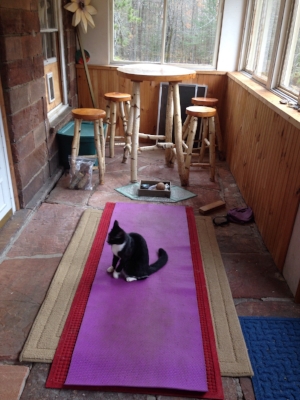
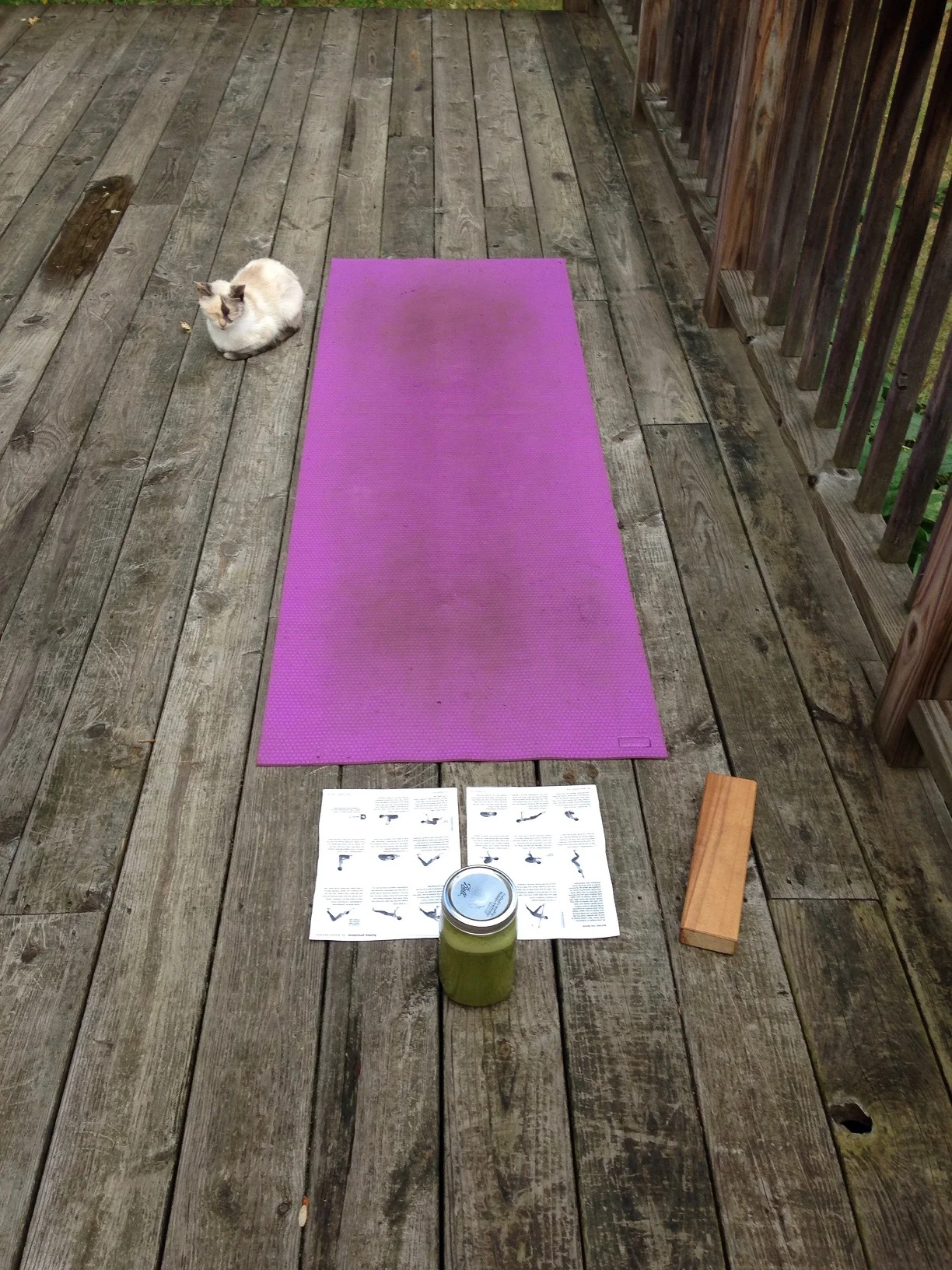
When the weather drops below 45, I move to the porch: bright, cheery, & open window for fresh air. Below zero, bright sunny days, are still Yoga pleasant on the porch.
4+ years ago I wrote an article titled Why I Love Yoga and Other Thoughts on Whole Food, Whole Health Healing. I have shared, many times, the ways in which Yoga benefits healing body, mind, and spirit. Type "Yoga" into the search bar, over there to the right, and you will find Yoga posts on weight loss, healing, body benefits, stress... you name it. I recommend it. Yoga that is.
Yoga is a self healing retreat every time you step onto the mat and every time you step out into your world living life from a space of deep interconnectedness that Yoga spins and weaves for you; that you spin and weave for yourself.

If 45 degrees F... yoga on the deck is my preferred place to practice. Yes, cats are a reoccurring theme in this mindfulness; sensing & appreciating the peaceful energy.
So often people tell me: "Oh, I do stretching exercises, I don't need yoga." Most people equate yoga with doing poses. Yoga is not just about the poses on the mat. That is part of it. Yoga is a way to bring presence of mind to your daily awareness. The poses are a way to embody mindfulness. Poses help to move life force energy, embody breath with movement, and guide our actions into a conscious connection with our true self.
Poses support you synchronizing breath with body, mind, and spirit. Breath is spirit. Yoga poses teach you how to be strong, flexible, and balanced in body, mind, and spirit so you can step off the mat and be strong, balanced, and flexible in all areas of your life activities, in all of your interactions, in your essence of being in this world.
Yoga is a way of being in the world that supports our moving with the flow of the universe, making conscious decisions based upon thoughtful wisdom and mindfulness around choice and consequence, and walking through daily happenings with a presence of peace and contentment (even when life seems to hand us chaos).
Magic happens when a person practices Yoga. Yoga is a tool to connect self with life force energy: inner life force energy and the life force energy of the universe (which are one & the same). The universe pulses on and with life force energy. Practicing yoga is a way of tapping into this universal energy, wisdom, consciousness. Yoga has been practiced for thousands of years. All indigenous cultures have healing systems for tapping into the infinite.

Deepening Practice for you... Yes, this is your Self Healing homework. ; )
I will happily send you the word document or PDF files of these below Yoga pose practices. You can print and laminate them if you choose. Email me with your request. pyoumell@gmail.com


Yoga Stick Figures by Charlotte Bradley of Yoga Flavored Life.
Stinging Nettle Cake
I can't proclaim the brilliant idea for this cake came from me. I confess, I eat nettles in every way possible, even blending up raw in a morning green drink (yes, all green plants come from my lawn). When Debbie Miller of Earth Rythm Wellness in Ogdensburg, NY shared the recipe with me... I think the whole North Country knows I am a Nettle Queen, I thought "Why Not?" We make carrot cakes, beet cakes, zucchini cakes and breads; nettle cake sounds like a splendid idea to me.


I can't proclaim the brilliant idea for this cake came from me. I confess, I eat nettles in every way possible, even blending up raw in a morning green drink (yes, all green plants come from my lawn). When Debbie Miller of Earth Rythm Wellness in Ogdensburg, NY shared the recipe with me... I think the whole North Country knows I am a Nettle Queen, I thought "Why Not?" We make carrot cakes, beet cakes, zucchini cakes and breads; nettle cake sounds like a splendid idea to me.
The original recipe came from Kate Hackworthy, a freelance food writer, magazine columnist and blogger who admits to being unashamedly obsessed with vegetables. I don't know her but I like her already! Kate lives in the UK and writes about her veggie obssessions on her blog Veggie Desserts.

The raw nettles about to get blended into a non-stinging cake patter puree, see #7 below.
Here is what I did differently. Come on, don't act shocked. If you know me, you know every recipe gets the Paula Whole Food Makeover.
- I added pasture raised goat's milk (nope, I don't have goats but I love my farmer and farm family who care for my goats.)
- I used 4 eggs, yup, from the same loved farmer. Eggs bind things better and I use gluten free flours. No gluten in the flour and things tend to get crumbly, cakes can fall apart. But, the frosting always glues things back together nicely! ; )
- I stuck with the 3/4 cup sugar. Surprised? Are you saying: "What? Paula always decreases the sugar?" Yes, I do but most cake recipes call for 2 cups of sugar that I immediately decrease to 2/3 or 3/4 a cup. Kate, the veggie loving gal from the UK, did this for me!
- At least 1 tablespoon (3 teaspoons) of real, organic vanilla. Recipe called for 2 teaspoons. I am heavy handed with vanilla and pour right from the bottle into the batter despite what my high school home ec teacher tried to teach me. Sorry Jane.
- I used 1 1/2 to 1 3/4 cups of gluten free flour not refined, white, wheat flour. This is why my cake will not be so luminous green from the nettles but more of an earthy brown tinted green. I used a blend of oat, quinoa, millet, and amaranth flour that I ground fresh. All organic and the oats are certified gluten free as well.
- I used a very full, very rounded tablespoon of baking powder not the 2 teaspoons the recipe called for. Gluten free flour is, well gluten free, and can use a 'lil kick in the bran and germ butt to get fluffed up. Do not be mistaken: this cake will not be the light fluffy cakes you are expecting from baking with refined white flour. Will it be yummy: yes it will!
- Nettles: I easily over did the 2 packed cups. I did not boil them. The nettles are being pureed in the blender and baked in the oven. If the sting can withstand that well then sting away baby! Seriously, just blending the raw nettles into the batter gets rid of the sting. I make pesto with raw nettles all of the time and never have I been stung.
- I added 1/2 to 3/4 a tsp. of baking soda. Not sure why, just a habit and seems fitting with gluten free flour. (No, I do not used refined gluten free flour mixes of tapioca, potato, and/or white rice flour. Most gluten free flours and products are crap food sources that do not feed cellular health.)
- For the frosting: I made my customary heavy cream & neufchatel cheese frosting to which I added in the 1/2 lemon's worth of zest and 1/2 lemon's worth of juice (1 tablespoon). I did use a fresh organic lemon for the zest but I saved the juice part for my liver flush am drink and used bottled organic lemon juice. I figured the juice was getting baked at 350 F and would destroy the vitamin C so why not use the fresh lemon juice right now in its raw state? Yes, this is how my mind works all of the time.
- I used Sucanat unrefined organic sugar not refined white table sugar.
- I poured the batter into one 9" round cake pan instead of the two 7" pans. I like to slice cakes in half and toy with the gluten free flours ability to hold up to my kitchen play. The then raw cut surface of the cake soaks up the yummy frosting better. This took 50 minutes of baking at 350 F. I then cracked the oven door about 3-4 inches, shut off the gas, and let it sit there in the warm oven to cool.

The cake batter in a 9" pan looking a bit olive drab green not the bright green of Kate from the UK's cake, See # 5 & # 11 above explaining pan size difference and cake color difference.
OK, Ok, I will quit finger babbling and give you the ingredients and directions.
Into the VitaMix Blender I put:
- 1 cup goat's milk
- 4 eggs
- 2+ packed cups of raw nettle leaves, stems not removed 'cuz I am a nettle rebel
- 3/4 cup sucanat unrefined, organic sugar
- 1 tbsp. vanilla extract
- 3/4 cup soft butter (extra for lubing up the cake pan really well)
- zest of 1/2 lemon
- 1 tbsp. organic lemon juice
- 1 3/4 cups gluten free flour: oat, amaranth, quinoa, millet (no refined crap please, see #8 above)
- 1 tbsp. baking powder, aluminum free please, your brain will thank you
- 3/4 tsp. baking soda
- 1/2 tsp. unrefined sea salt of the pink Himilayan variety
- Preheat 350 F oven.
- Blend into a greenish brown frenzy.
- Stop 2-3 times to scrape the sides down.
- Rub that luscious butter all over the insides of the 9" cake pan.
- Pour cake batter into butter loved pan.
- Slip into that hot 'ole oven and bake for 50 minutes.
- After 50 minutes, slip a knife into the cake to see if it is done, finished, baked to perfection.
- If so, keep oven cracked 3-4 inches and leave cake on the rack.
- When cool, frost your 'lil stinging nettle cake with the frosting I use for everything...
Frosting:
- Organic heavy cream, one or two 8 oz containers
- Organic Neufchatel Cheese, one 8 oz package
- 2 - 4 tbsp. dark maple syrup
- Zest of 1/2 lemon
- 1 tbsp. lemon juice, basically juice from 1/2 lemon
- Put all ingredients in a mixing bowl and use an electric hand mixer to whip into frosting consistency.
- You can slice the cake open for 2 layers, if you wish. I suggest proceeding with caution as gluten free cakes can be tricksters.
- Frost.
- Let sit for a bit to settle into the flavor melding.
- Serve with the Blackberries that Kate of the UK suggests, or not.
- Enjoy. Nettles are amazing nourishing food. Adding them to cake makes sense!
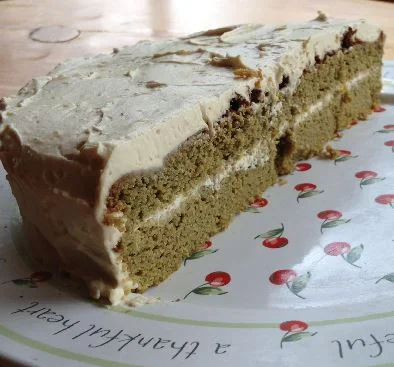
Voilà: The finished cake!
Because of the whole grain flours and unrefined sugar (very brown and not white like refined baking ingredients), the cake does not have the luminous green of Kate's of the UK. It was delicous. As with all whole food baked goods I like to tell people to get used to the heavier texture. Unrefined foods mean you have the density of fiber, minerals, vitamins, complex carbohydates, proteins, and fats... not light, fluffy refined and empty calories (cellular health degenerating). Dense food is real food feeding your cellular health.

Happy Memorial Day!
Be Grateful to All who have given to make your life better.


Need support around finding your personal space of gratitude in this world? Jenny Morill & I share our new book about creating mindfulness & healing. We hold sacred space for you.