

Embrace Your Sacred Cow
Cow? Really Paula... where can you possibly be going with this? Get as big as a cow? Be gentle like a cow? Have gorgeous, long lashes like a cow?
Nah, something much more practical! Chew like a cow people. Chew long, luxuriously, peacefully, and gently.
95% of the clients and students I work with have some sort of GI Tract upset. Their digestive tract is struggling to do the job of, well, digesting. So many more of your bodily processes (all of them really) rely on your digestion so the rest of your body's functions can happen effortlessly.

Cows gracing peacefully at The Lands At Hillside Farm, Shavertown, PA
Cow? Really Paula... where can you possibly be going with this? Get as big as a cow? Be gentle like a cow? Have gorgeous, long lashes like a cow?
Nah, something much more practical! Chew like a cow people. Chew long, luxuriously, peacefully, and gently.
95% of the clients and students I work with have some sort of GI Tract upset. Their digestive tract is struggling to do the job of, well, digesting. So many more of your bodily processes (all of them really) rely on your digestion so the rest of your body's functions can happen effortlessly. Yup, the bottom line is that efficient digestion is what creates the downstream effects of well nourished body cells or not so well nourished cells. Good digestion and a healthy digestive tract lead to:
- food well broken down into usable nutrients that are
- absorbed through that health 1 cell thick gut lining and then
- circulated effortlessly through the blood stream until these nutrients
- arrives safely at each and every body cell's doorstep and then they
- move across the cell membrane with ease and peace to be
- utilized by every intercellular organelle to make the miracle of you happen in each and every moment.
Digestion IS a sacred and beautiful thing.
Just because these below images leave out the mouth and esophagus... don't fall for the same foolishness. Both are very important parts of your digestive tract... as is your brain and nervous system! Mouth to brain to gut communication is so key for release of your digestive juiciness.


So I ask... why do we, as a culture, shovel food (or worse yet: food products) into our mouths with no thoughtfulness around what we are eating say nothing about how we are eating it. We then expect our bodies, minds, and spirits to soar with great health and carry us through our days effortlessly and with ease?
I have written numerous times about the sacredness of food, meal times, and chewing. Is anyone listening to me? I know my kids are not...
Here's a suggestion:
So many of us do realize that bedtime routines/rituals are so beneficial to creating deep and peaceful sleep every night. (Although, many of us are in need of embracing this bedtime sacredness as well.) My suggestion is to start seeing meal time rituals as important and sacred. Relax, breathe deeply, and chew well. Maybe light a candle to remind yourself how important you are and how important it is to slow down and nourish your body, mind, and spirit with food and eating (chewing your food well much like the cow does instinctively and intuitively with every bite and every mouthful of grass!).

For my PDF handout on chewing your food well click this link: http://issuu.com/paula754/docs/chewing_with_pictures
Blessings of Happy, Healthy, Peaceful, and Nourishing Meals To You!
5 Reasons Chewing IS A Most Important Part Of Eating & Digestion
The story is that engaging those pearly whites in the chew process is the most important initial step you can take for the health of your digestive tract and your bodaciously beautiful body cells. Think how many people chuck food into their faces at break neck speed, chomp on it 5-6 times, and then swallow large chucks of food.
Pay attention the next time you engage in eating a meal. Are you a chewer or a chunk swallower? All these years picking on cows for their endless "cud chewing" and it seems they had it right all along.
Get Chewing Your Cud People And Here Is Why:
1. Chewing begins carbohydrate* digestion: which prevents reflux as you are revving up the digestive tract with your chewing. The more you chew your food, the more messages are sent to the gut to get the digestive juices flowing.

The story is that engaging those pearly whites in the chew process is the most important initial step you can take for the health of your digestive tract and your bodaciously beautiful body cells. Think how many people chuck food into their faces at break neck speed, chomp on it 5-6 times, and then swallow large chucks of food.
Pay attention the next time you engage in eating a meal. Are you a chewer or a chunk swallower? All these years picking on cows for their endless "cud chewing" and it seems those beautiful cows had it right all along.
Get chewing your cud people and here is why:
1. Chewing begins carbohydrate digestion: which prevents reflux as you are revving up the digestive tract with your chewing. The more you chew your food, the more messages are sent to the gut to get the digestive juices flowing. That means optimal hydrochloric acid for stomach digestion of food. Good digestion in the stomach sets the stage for good digestion throughout the digestive tract.

Little chewing = little time for messaging the GI tract to send out digestive juices = impeded digestion.
Most reflux is NOT an over abundance of stomach acids but in fact a lack of stomach acid (food sits in stomach not digesting and body's wisdom says "hey this stuff is rotting right here... let's get rid of it.” At this point the easiest way to get rid of stomach contents is up and out. Yup, reflux.).
2. Chewing food well feeds your beautiful gut microbes: You waste $$$ taking probiotics if you are not going to offer them kindness and feed them well. Be the gut bug hostess (or host) with the most-ess! Chew your food well. Doing so breaks down the food fibers, the starches, which feed the gut bugs you want surviving and thriving in your gut.

3. Chewing well prevents leaky gut: See above for how chewing feeds the happy, healthy gut bugs. When we are not feeding the "good" gut microbes to maintain a healthy and balanced microbial population, we can create an inflamed and irritated gut lining. This leads to leaky gut syndrome and contributes to many chronic, lifestyle related, health problems.

Belly ache or gut health... you decide!
4. Chewing food slowly and well promotes relaxation: eating fast, swallowing food practically whole, creates a stress response in the body. Stress causes body tissues (muscles, organs etc) to tense, contributes to poor digestion, and chronic fight or flight response throughout body. This digestive tract and body tensing also contributes to constipation.
Chewing IS yoga for the digestive tract, nervous system, and really your whole body. You know how I love, love, love my yoga. Type Yoga into the search bar, below, and I will inspire you with the many body, mind, and spirit benefits of a daily Yoga practice.

5. Chewing food well means food is then swallowed in a liquid state this means your body, digestive tract, is better able to digest and pull the nutrients out of the food.
This means your body cells are being better nourished by the whole foods you spend your hard earned money on. This is very important my friends. The more nutrients we can pull out of the food we eat, the healthier we will be. It is all about what nutrients actually got to your body cells. Poorly chewed food cannot be digested well and therefore the actual nutrition does not reach your intended body cells. Yes, your health pays dearly over the years.
Chew all food into liquid consistency. 30-50 chews per bite or gulp of food (Gulp: I am thinking about smoothies, creamed soups, etc. that are gulped down without any conscious thought of actually chewing.)
If food is already a liquid or mushy consistency (soup, puddings, smoothies) take 20 to 30 conscious chews. If food is solid, take 50 conscious chews.

Example: blueberries and skins of berries require 50 chews. The soft inner part of berry will chew up quickly and naturally move down throat... keep chewing that blueberry skin 50 times. Yes, the cud will get smaller and smaller and the habit of swallowing before adequate chewing has taken place will be right there in your face (literally). Resist and keep chewing as the skins of blueberries are loaded with micro-nutrients and complex carbohydrates (fibers) that feed those gut bugs IF you chew it up well for your gut bugs to be able to use them. Trust me; the gut bugs (microbes) do not have teeth to do the chew job if you leave it unfinished. For goodness sake, show those gut bugs (who do so much for you) some genuine hospitality and chew, chew, chew!
Get Chewing & Get Healthy.


Chewing for Weight Loss

I have written about the virtues of chewing on a few occasions. Every day I see health issues that could benefit from better chewing, so...
I feel compelled to write about chewing again because your whole body's health depends on the quality of food you eat AND that very food getting to your each and every body cell. Chewing is a foundational habit of good health.

Chewing properly:
- unlocks the nutrients in the whole food you feed yourself with so those nutrients can feed your body cells which
- makes for vibrant healthy body cells (this is a front line defense against disease of all manners)
- creates a healthy digestive tract
- feeds healthy gut microbes which in turn keep your immune and nervous systems healthy (really, your whole body healthy)
- prevents constipation
- prevents gastro-intestinal ill health symptoms
- and so many more whole health effects!
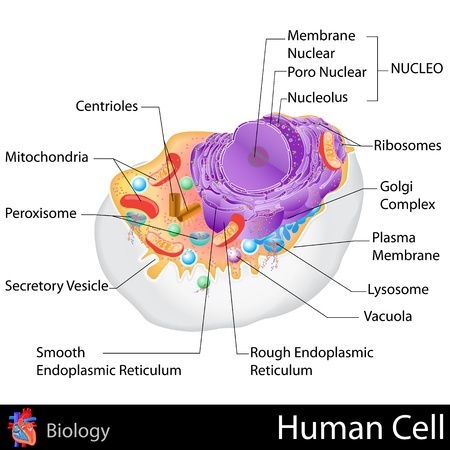
Chewing for Whole Cellular Health
Eating begins with the simple act of chewing which leads to smooth digestion and greater absorption and assimilation of nutrients by initiating the release of digestive enzymes that break down food. The better chewed your food, the better your body can absorb and use the food’s nutrition. This means healthier better nourished body cells.

The chewing action sends messages between the mouth, brain, and stomach alerting your digestive tract that food is coming. This helps to jump start the whole digestive tract for smoother functioning by starting your digestive juices rolling!
Have you ever chewed a piece of gum only to find your stomach churning and growling within 20 minutes? Your chewing of gum is telling your tummy that something is coming. In the case of chewing gum, nothing is actually headed down to the stomach. You have started the digestive process but not given your digestive tract food to work on.
Carbohydrate digestion begins in the mouth with chewing. Chewing converts whole grains, fruits and veggies, and other complex carbohydrates into satisfying whole food sugars. Whole foods must be mixed with saliva and chewed until they become liquid to release their full nutritional value.
In addition, the more whole carbohydrate foods are chewed, the sweeter they become. This, in of itself, helps to naturally satisfy the “sweet tooth” and end sugar cravings.
Better carbohydrate digestion, from efficient chewing, helps to end that bloated feeling after a meal. Bloat can be carbohydrates that are not digesting well from inadequate chewing and the resultant lack of mixing with salivary enzymes. You literally stop digestion in its tracts from poor chewing habits, making the stomach and small intestine work harder than nature intended.
Chewing breaks apart proteins and fats making the oils, proteins, vitamins, minerals, and all nutrients available for maximum absorption. Because digestion becomes so efficient when you chew your food thoroughly, your body will begin to feel wonderfully light.
Chewing food well takes your mouth and senses through the whole range of flavors in foods. This mindfulness practice, while eating, ensures that your senses experience sweet, salty, bitter, pungent, sour, astringent, and spicy. By chewing and experiencing these tastes, your body is satisfied with less food. No cravings later! (When your blender chews the food for you, you miss this taste sensation experience.)
Try this experiment: Eat a carrot. Chew it poorly (or what is normal chewing for you), leaving good size chunks in your mouth and swallow them. Aim for the size of sunflower or pumpkin seed chunks and swallow. What do you think you will find in your solid waste? You've got it, those very same chunks of carrots, virtually unchanged.
Chew another piece, slowly and taking your time, until the piece of carrot resembles smooth pudding in your mouth. No chunks will be found in your solid waste and your body will be able to absorb all the nutrients from the carrot. Chunks in your solid waste are food wasted; no nutrients can be pulled from the interior of solid chunks of food. Your digestive tract only pulls what it can from the surface area of these food chunks. When food is like “pudding” when swallowed, the food’s surface area is immense and available for digestion and absorption of nutrients.
“Drink your solids, chew your liquids.” An intelligent saying Dr. John Christopher, Naturopath, repeated over and over in the classes I took in Natural Healing and Herbal Medicine. When the solid food you swallow is in liquid form from chewing, your body can absorb all the nutrients in that food. (Whole food eating is expensive. Chew well to get your $$$ worth!) This ensures healthy cell regeneration and deposits into your nutritional banks (not withdrawals and degenerative cells!). This is a foundational practice for good nutrition and whole health.
When consuming liquids, chew them thoroughly also, so you are doing a fine job mixing those salivary enzymes with all the food that passes slowly through your mouth.

Chewing helps you lose weight!
When you slow down and thoroughly chew your food, you create a consciousness around what you are eating and your body’s satiation response (feeling physically satisfied). Chewing food well means your body can digest it better (break it down into usable nutrients) and absorb it better into your blood stream. This means that your each and every body cell will be delivered plenty of whole food nutrition. Your body will not be begging you for more food all the time if your cells are well nourished. Much of the time our hunger is not for more quantities of food and calories but it is a cry from our body for better nutrition, more nutrients at the cellular level. Slowing down to chew food into pudding like consistency (or chewing already liquid foods very well before swallowing) delivers more nutrients to the cells, squelches your body’s begging for food, prevents over eating calories every day, and ultimately supports your body in losing excess weight.
Chew well… life depends on this!
How to Chew Properly
•To get into the habit of chewing correctly, try counting the chews in each bite. It helps if you put your fork down between bites.
•Chew every mouthful of food at least 30 times each, until the food becomes liquid. Chew a minimum of 50 times if what you are eating is a really solid food (raw carrot).
•Chewing preps the digestive organs telling them food is coming. Better digestion is the result as the organs get prepped to release the necessary digestive enzymes.
•Chewing breaks down food and makes it easier on the stomach and small intestine to digest and prepare the nutrients for your beautiful body cells.
•Saliva assists in the digestion of carbohydrates, makes the food more alkaline, and creates less gas.
If under pressure at meals: take deep breaths before you begin your meal, chew, and let the simple act of chewing relax you. Taking the time to chew will help you to enjoy the whole spectrum of tastes and aromas that make up the meal. Taking the time to chew will increase cellular health as the nutrients are more available to your body cells!
Slowing down and taking the time to chew is actually a stress reduction exercise. It is a mindfulness exercise, the yoga of eating, around your food.
Good Meal Prep and Eating Suggestions
•Wash up.
•Create quiet spaces and peace for eating, turn off the “screens”.
•Use candle light to create peace and relaxation.
•Sit up with good posture.
•Say a prayer thanking the local farmers for their hard work, the earth that grew your food, your higher power, whoever cooked your meal, and your family and friends who dine with you. The simple act of gratitude slows and calms the body, mind, and soul.
•Put your utensil down when chewing.
•Relax, breathe, and experience the textures and flavors.
•Eat in a relaxed setting: not the car, your desk at work, standing at the kitchen counter, or while on the run.
•Say thanks after you eat as well.
•Create post meal conversation instead of bolting to the “next” activity
•Go for a walk, sit on the porch just listening, create a post meal relaxation experience
Enjoy every meal for the gift of life that it truly is, Paula
Naturally Simple Ways to Weigh LESS...
Naturally Simple Ways to Weigh Less
and Live More Every Day of your life!
This is all about re-balancing your body, mind, and spirit to create a vibrantly healthy you... inside and out. So much more than the number on the "scales!"

- Feed your soul with primary food. Friends and family, physical activity, spirituality and a satisfying career feed us. Lack of primary food creates over-reliance on secondary, edible food.
- Drink water. Most people are chronically dehydrated. We often mistake thirst for hunger. If you feel hungry between meals, drink a glass of water before giving into cravings. Limit liquid calories from soda, juice, sports drinks and “enhanced” waters. Stick with nature made!
- Eat a plant-rich diet. Plant foods are typically lower in calories and higher in fiber than meat, dairy and processed foods, while providing loads of essential nutrients. Purchase your animal products from farmers who raise the food in a natural manner; healthy and naturally balanced foods make for a healthy, naturally balanced human. Make certain you do get enough fat and protein in your daily diet to satisfy hunger, appetite, and nutritional needs for YOU. Each of our needs is different!
- Chew your food well. Digestion begins in the mouth. By thoroughly chewing your food, your body will better assimilate nutrients; you will also slow down your eating. It takes about 20 minutes for your brain to register that it is full. By slowing your eating, you’ll feel full, satisfied, and better nourished on less food. More nutrients in each cell mean a healthier body!
- Eat real food; avoid processed, packaged foods. Avoid products with high-fructose corn syrup or a long list of unpronounceable ingredients. (Reduce or eliminate refined sugars from your diet; glucose, fructose, any “oses”.) Packaged and convenience foods tend to be highly processed, lacking the nutrients your body needs, and are often loaded with empty calories. Avoid artificial sweeteners. Avoid refined sweeteners, even stevia products.
If you have attended my workshops or been supported by me as a client: Remember the cellular health information from the Whole Food slide show? Feed your cells well! Need to experience this workshop? Join me and the Local Living Venture on Thursday, September 25th for the start of the Whole Health and Healing Academy!
A few more tips for balancing mind, body, and soul weight.
- Eat raw foods: raw fruits & veggies, raw nuts and seeds, raw nut & seed butters. Raw foods are rich in nutrients that are not altered by the heat of cooking and provide natural enzymes needed in the body for many processes including digestion.
- Eating enough healthy fats and protein to satisfy your appetite and your body’s nutritional needs: choose naturally raised animal products for protein and fat and the omega 3's found in naturally raised meat, eggs and dairy products, wild salmon, avocados, walnuts, raw nuts and seeds.
- Eat breakfast. Skipping meals causes your blood sugar levels to peak and dip, affecting your energy and moods. It can also cause overeating later on because you’re so hungry. With this said, listen to your own body and what you know works for you. Some people do much better without breakfast and have no problems with the rebound overeating later in the day. Be conscious of you and your needs. I can personally admit I am not a breakfast eater. I get hungry by 11 AM or so. I listen and follow my body's requests for food.
- Eat mindfully. Turn off the TV. Get away from the computer. Sit down and savor the food you are eating with no distractions. Eat from a space of unconditional self-love!
- Get moving. Do any type of physical activity every day. Find movement or exercise you enjoy.
- Get outside. Your body needs fresh air and natural light. You will create life long health benefits!
- Sleep, rest and relax. Breath work creates relaxation, slow down & breathe deeply. Ask me for my educational handout on breath work. When you are sleep-deprived or stressed, your body will crave energy, causing cravings for sugary snacks and caffeine as an energy boost.
- Schedule fun time. Boredom and stress can lead to overeating. Make sure to take time to laugh, play and participate in activities that bring you joy.
- Find a mindfulness practice and use it every day. (Yoga, Tai Chi, Tae Kwon Do, Meditation, Prayer...)
PS Just a reminder about the Whole Health & Healing Academy that starts Thursday, September 25th. Join us to create vibrant health in your life!
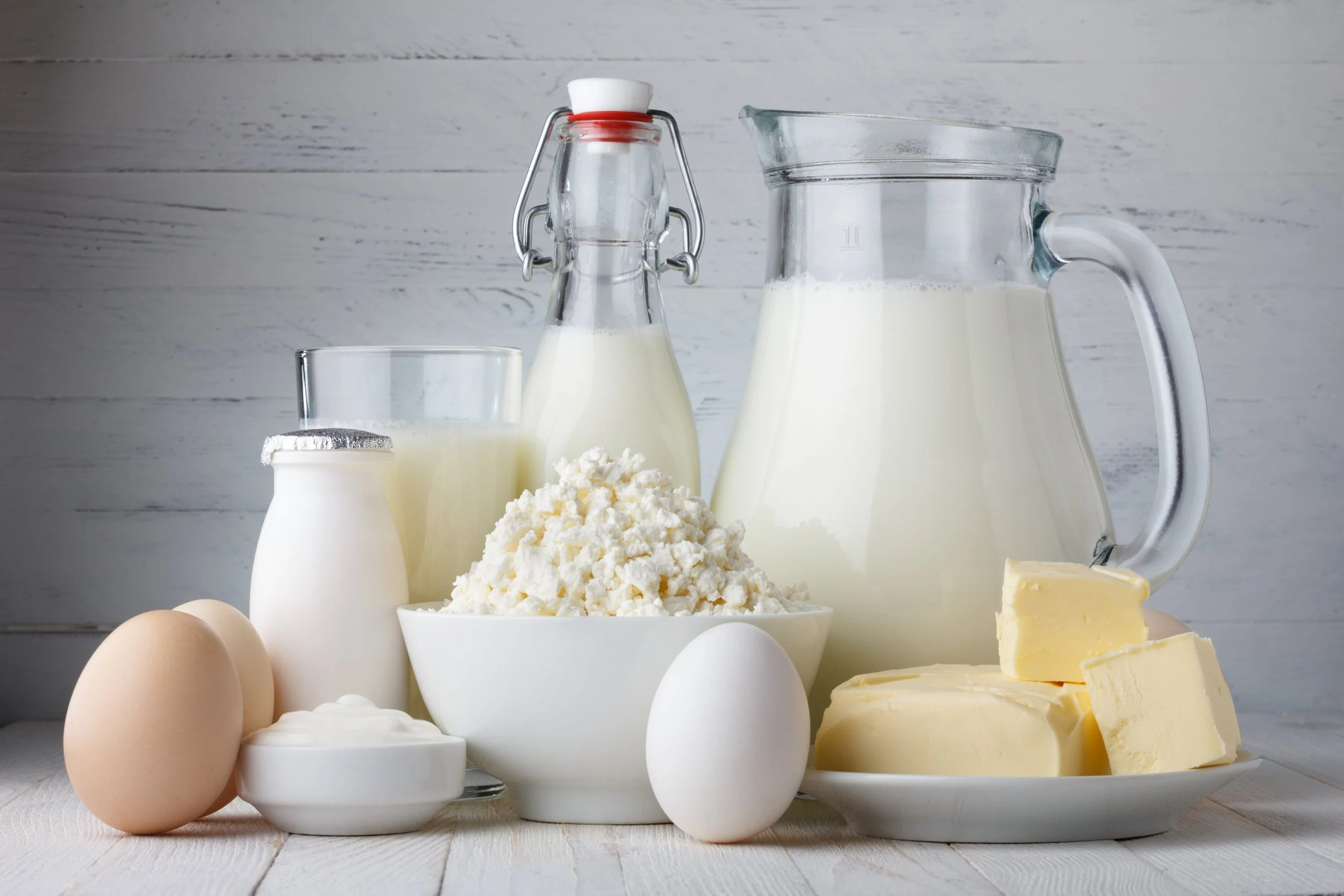
Protein Powder I Use
Protein Powder I Use...
Wait...What? Protein, Paula... have I stumbled upon the wrong Paula's blog post?
I get questions from clients, quite frequently, on what I think is the best protein powder to use.
Stepping back a few years... protein powders come in and out of fashion like clothing styles. I know this cyclic pattern, I have plaid shirts purchased when I was 20 years old and 28 years later (yes, I still have those plaid shirts), I am right back in the swing of fashion!
Enter protein powders from the late 70's and 80's. With a processing makeover (claiming to preserve the vital nutrients of raw milk and colostrum... maybe, but I have a hard time believing that you can remove the liquid whey from the whole milk and then process it into powdered form and still retain all the vital nutrients...really?) and a new label, perhaps some updated, high tech marketing hype and voila... a new fad ready to sell to the newest generation.
My favorite protein powder is this: zero, zip, nada, zilch, none of them! In my eyes, they are very processed, refined, manufactured products... not food. When food is in its whole state, it is a nourishing, cell building gift to your body. Processed products by any name: rice protein powder, soy protein powder, whey protein powder, hemp protein powder (get the idea here?), well... not so nourishing.


Protein Powder I Use...
Wait...What? Protein, Paula... have I stumbled upon the wrong Paula's blog post?
I get questions from clients, quite frequently, on what I think is the best protein powder to use.
Stepping back a few years... protein powders come in and out of fashion like clothing styles. I know this cyclic pattern, I have plaid shirts purchased when I was 20 years old and 28 years later (yes, I still have those plaid shirts), I am right back in the swing of fashion!
Enter protein powders from the late 70's and 80's. With a processing makeover (claiming to preserve the vital nutrients of raw milk and colostrum... maybe, but I have a hard time believing that you can remove the liquid whey from the whole milk and then process it into powdered form and still retain all the vital nutrients...really?) and a new label, perhaps some updated, high tech marketing hype and voila... a new fad ready to sell to the newest generation.
My favorite protein powder is this: zero, zip, nada, zilch, none of them! In my eyes, they are very processed, refined, manufactured products... not food. When food is in its whole state, it is a nourishing, cell building gift to your body. Processed products by any name: rice protein powder, soy protein powder, whey protein powder, hemp protein powder (get the idea here?), well... not so nourishing.
My thoughts, and I know I go against the grain, take it for what it is worth.
Now if you are making your own cheese and keeping the whey liquid to use, great. Much different than the powdered whey stuff sold as health food. Again, this is my healing thoughts.

If you think you need more protein, for whatever your reason, use real foods - whole foods. Are you using protein powders in a smoothie to up your daily protein? Add a raw egg or two from healthy chickens, raised by farmers you know, and living on farms that are clean and natural. I would never use a commercially raised egg in raw form, organic or not. Add raw nuts and seeds, they are loaded with protein and healthy fat to boot. Tolerate dairy? Use real milk from real cows / goats / sheep / yaks, raised eating their natural diets and keep the milk raw and unprocessed. (I am not a big fan of the packaged milk replacements: rice, soy, almond milk, etc. Again, it is processed, made in a factory. Make your almond milk at home, it is easy and you control the ingredients and process. Email me for a recipe.) Add 1/4 to 1/3 cup of beans to the smoothie, if you tolerate them. I recommend light tasting and lighter colored beans for this purpose.
All of these recommendations, for smoothies, are foods that can be eaten just as food. I am not a big fan of tossing a bunch of yummy foods in a blender and pureeing into a liquid meal. I like to chew food in a real meal form. So, with that said, eat any of the above foods to increase your protein intake. Take soft boiled eggs (from healthy, local chickens), 3 minutes, for on the go meals. Cheese and yogurt from well raised animals. Eat lentils and split peas in all sorts of yummy dishes: soups, stews, Indian dahl... the sky is the limit.
My point is that there are many plant and animal whole foods that can be added to your diet without resorting to powdered protein products. Nature did not make them, a factory did.
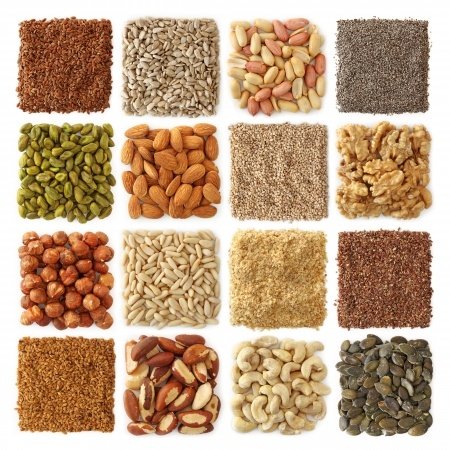
My focal point for making healthy food choices: did nature make it or was it concocted in a factory?
I will confess, I have had running dialogues with various naturopathic healers who recommend protein powders. One healer, in particular, I have their whole food protocol for healing disease that clearly states to eat natural foods, avoid packaged foods. Then the protocol recommends a protein powder and protein snack bar made by a specific company. What?! Really?! When I read this my first thought was: "How can this "healer" recommend a 100% whole food diet that eliminates packaged foods, and then turn around and recommend a factory made protein product or two, all in the same health education document? How is this not sending a very confusing message to those seeking healing?"
As I always say, take the information in and create your own healing truths.
Stay tuned for fat... Mmmm, Mmmm Fat, coming soon in a newsletter blog post near you!